Is there anything you can do to naturally relieve a hot flush? What about hair that’s thinning and falling out during menopause? Is a heavier, longer period normal? These are the menopause questions you’ve asked, and our natural health experts have answered…
What the experts say about your menopause
Each question below came up during Q&A at one of our live menopause webinars.
They were answered by our expert guests: naturopath Alison Cullen and Sarah Hyland of A.Vogel.
How to manage period changes during menopause
One week of the month used to be PMT. Now it’s like one week of the month isn’t PMT. And my cycle has gotten very short. What can I do about that?
That’s a clear signal that your body is changing.
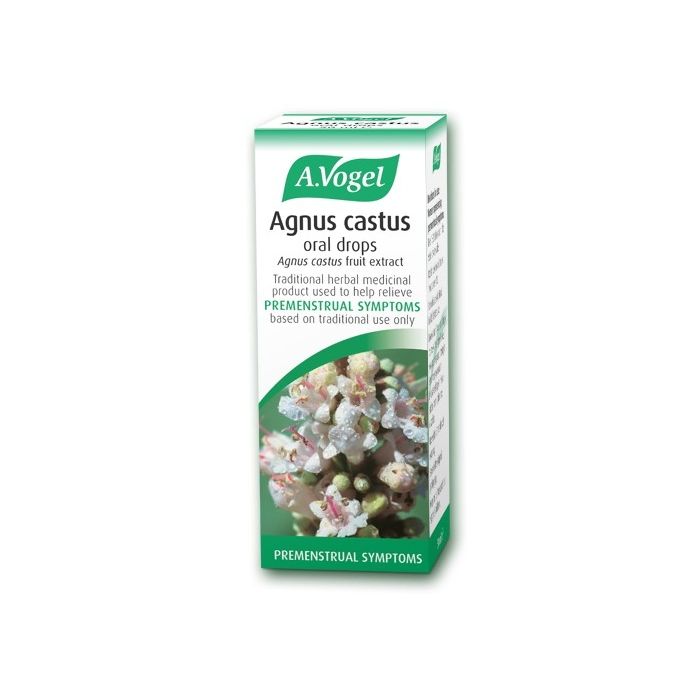
You can turn to Agnus Castus, a wonderful herb that can lengthen a cycle and lighten a bleed. It’s fine to take unless you’re on hormonal contraceptives.
Agnus Castus takes about 1-3 months to start working. And that’s only if you take it every day.
If you’re losing a lot of blood, it’s important to up your intake of iron. You want a good, highly absorbable source of iron, like Floradix or Terranova.
Could ovulation occur twice a year? My last period was 9-10 months ago and I’m nearly 47.
What’s likely happening here is you’re not achieving the oestrogen levels needed to trigger ovulation. That’s fine.
But all of a sudden your body notices and it says ‘wait a minute we haven’t done this in a while! There are still some eggs there!’
And your body kicks off a surge of hormones to try and push those eggs out. It all happens in a little flurry which is why your periods are spaced so far apart.
I’m 47 and since having COVID in 2020 I’ve had terrible periods. They’re now very heavy. They had been regular and normal up till then. Anything I can do to help?
The link between your heavy periods and COVID is inflammation.
COVID is a highly inflammatory virus. So it’s important for you to work on absolutely everything that’s anti-inflammatory.
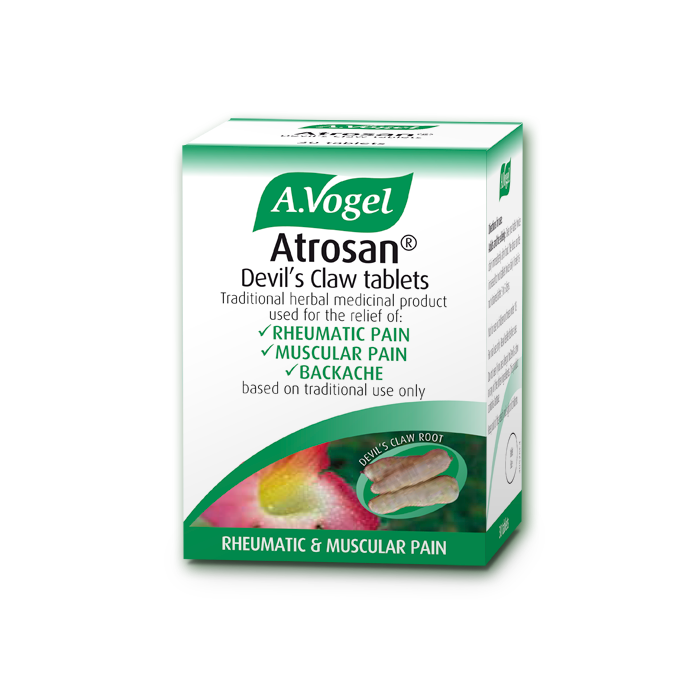
Definitely take magnesium. You can also try Devil’s Claw which is an incredible anti-inflammatory herb. Omega oils are essential for you too.
Next, check your diet. You’re exhausted after the last couple of years! It’s quite likely you’re using caffeine to keep you going.
And it’s possible you’re not able to put time into making the type of meals you might like to. Just be aware you need more nourishment as your body heals from COVID and transitions into menopause.
I’m on the coil and my periods are changing a lot. They last now for maybe 10-12 days and they’re very light. Then there’s a gap of a week before period pains return and I get my period again. Is this the typical start for menopause?
When it comes to menopause, the abnormal is normal. Anything goes. Everybody’s pattern is going to be different.
That’s why the naturopathic approach is so powerful. Because it looks at the woman as an individual.
You’ll notice a shift for you… what’s different for you… what’s normal for you.
However, if you’ve been on progesterone-based contraception for quite some time, you’ll find your cycle will lessen and lengthen anyway. That’s not because of early menopause.
So it can be quite difficult to tell when it’s actual menopause kicking in. In that case, talk to your doctor for their opinion.
What herbs are best for raising my oestrogen levels?
What’s so good for this is fermented soya isoflavones.
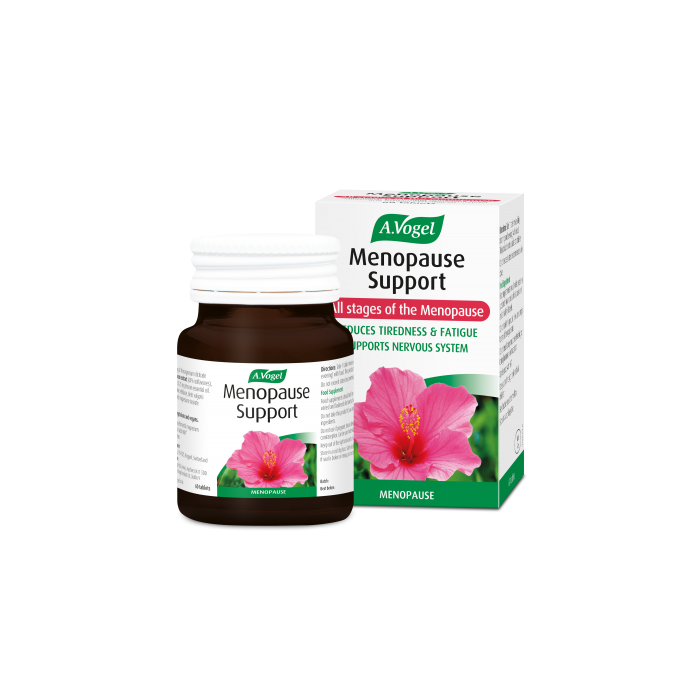
You can get them in Menopause Support. They’re gentle. They attach to oestrogen receptors but they don’t trigger uterine or breast cancers.
Fermented soya isoflavones also help stabilise your mood and keep your musculature flexible. They also support the digestive and respiratory systems.
As my periods change, what sort of lifestyle changes should I be making?
The most important thing you can do is reduce stress.
You need to lighten the load on your body, because it’s very busy dealing with the changes of menopause.
If you’re stressed, then your adrenal glands are working overtime. That means your adrenals have less raw material available to provide backup hormones as your hormone levels start to drop. Your adrenals are unable to make up the difference.
That causes menopause to be bumpier. Instead of there being an ease in the drop of your hormones, there’s a sudden plummet.
How to alleviate uncomfortable menopause symptoms
When it comes to vaginal dryness, what cleansing products should be used? What should be avoided?
Stay away from all the wipes, douches and cleansing products.
A lot of brands contain parabens and chemicals that aren’t great for delicate tissues. They’ll only throw off the pH of the vagina and cause further irritation.
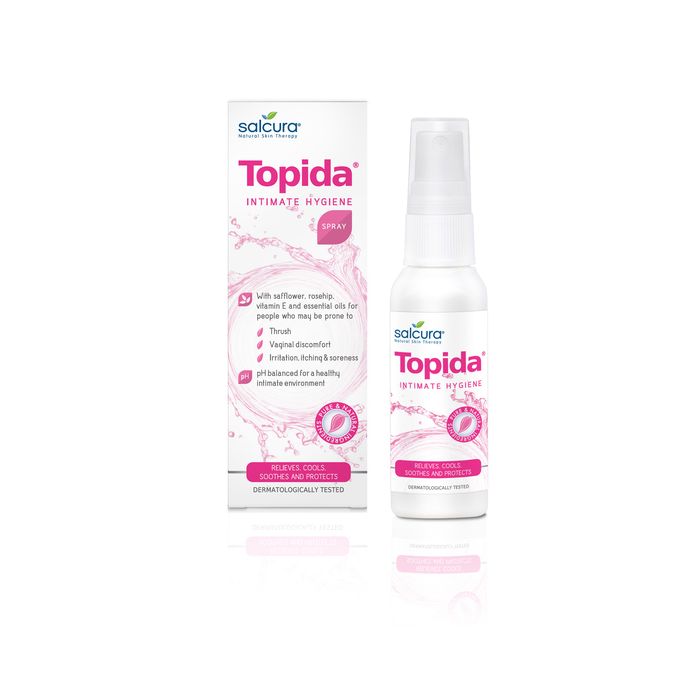
If you need to add moisture, the YES products are really good quality. Salcura Topida Intimate Hygiene Spray is also an external treatment that provides immediate cooling relief.
Then there are supplements that support your vagina in taking care of itself...
And of course… make sure you’re drinking lots of water!
Is there something that can be done for urinary incontinence? A supplement that can be taken?
If it’s an infection, concentrated cranberry can help.
In this case, D-mannose works really well to grab hold of E. coli and pull it out.
Note you’ll want to stay away from cranberry juice, unless they’re unsweetened, like this one.
It may seem counterintuitive, but make sure you’re drinking enough plain water (at least 1 ½ litres/day).
People often avoid drinking water because they’re afraid of being caught out. But that can actually make incontinence worse.
Also, don’t force yourself ‘to go’. Don’t go ‘just in case’ before bed. That puts pressure on the muscles and the bladder forgets what it’s like to feel full, so it stops sending out the appropriate message.
What can I do for night sweats, hot flushes and being too hot that’s then followed by chills?
Start with Menopause Support. It includes fermented soya isoflavones and magnesium that both help regulate body temperature.
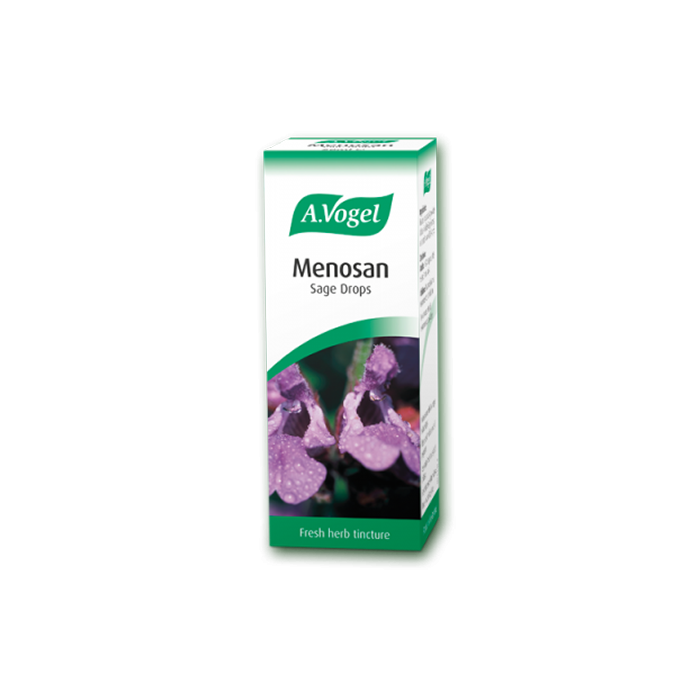
Also try sage by taking Menosan Sage Drops. Sage helps control temperature, reduce hot flushes and calm the nervous system.
How to support your hair and skin through menopause
I’m in my late 40s. I’ve noticed my hair is dryer, thinning and falling out. Is there anything I can do?
There are a few different things that contribute to menopause hair loss.
It could be because of low oestrogen. In which case Menopause Support can help increase your oestrogen levels.
If you’re having heavy periods, then depleted iron can contribute to hair loss. Floradix Liquid iron can help restore your iron levels.
Hair loss can also be caused by your thyroid and metabolism slowing down. A good indication of this is if you’re starting to lose hair from the outsides of your eyebrows.
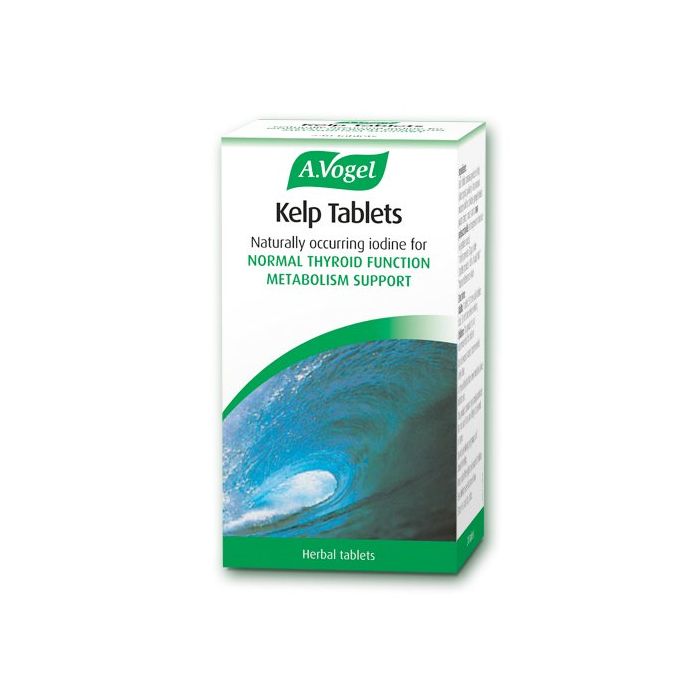
Kelp Tablets can help keep your thyroid and metabolism running nicely.
(Note - don’t take Kelp Tablets if you have a diagnosed thyroid issue.)
There’s also a strong link between the health of the hair, skin and nails and the amount of vitamin D in your body.
It’s recommended that you take a vitamin D supplement. But it’s also important to get some sun exposure so your body has the materials to make its own D.
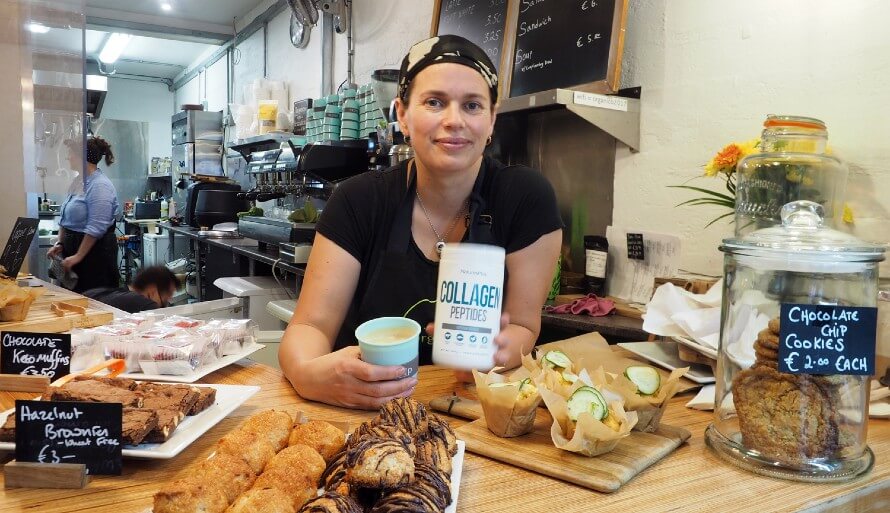
Collagen Peptides can also help keep your hair, skin and nails in great shape. Plus, the extra protein can be good for your body during menopause.
Top takeaways for naturally managing menopause symptoms
To cope with period changes
Add Agnus Castus to lengthen a cycle and lighten a bleed
For heavy bleeds, increase your iron intake with Floradix or Terranova
Related to almost every symptom covered for menopause. Very helpful. Already taking iron for heavy periods. Am going to try agnus cactus for that heavy feeling I get before a period
Thanks



Thanks