How serious is vitamin D deficiency, and do you need to supplement?
This entry was posted in News, Natural Health on 6th May 2021 by Marci Cornett
It’s likely we all have an insufficient level of vitamin D in our bodies, but what’s alarming is that many of us are deficient, meaning we have a dangerously low level. So what does that mean for you and how you should protect yourself against the dangers of vitamin D deficiency?
Vitamin D deficiency by the numbers
A new Oireachtas report makes no bones about it: if you’re an adult in Ireland, you should be taking a vitamin D supplement. For a clear breakdown of the new report, you can’t do better than Dr John Campbell’s YouTube video.
But to give you a quick overview…
The new Irish report states that vitamin D deficiency affects
47% of 18-39 year olds
35% of 50-59 year olds
64% of over 80s
And even those of us who aren't deficient probably aren't getting enough vitamin D.
What is vitamin D?
Vitamin D is an essential fat-soluble vitamin as well as a steroid hormone and an immunomodulator (an immune system regulator).
Our bodies generate vitamin D in the skin's lower layers after absorbing sunlight. And that's a major reason why deficiency is so high in Ireland - we don't get enough sunny days.
Vitamin D plays a pivotal role in the functioning of the immune system and metabolism, and it reduces the risk of certain respiratory illnesses. It’s also known to have anti-inflammatory, antibacterial, and antiviral actions.
In fact, you could say we’re dealing with a bit of an overachiever - vitamin D is involved in the normal functioning of nearly every system in the body including the musculoskeletal, gastrointestinal, renal, endocrine, and cardiovascular systems.
The dangers of vitamin D deficiency
Vitamin D deficiency is not something to play around with.
It’s linked to an increased risk of neurodegenerative disease, autoimmune conditions, metabolic disorders, bone disease, respiratory infections, cardiovascular disease, certain cancers, and an increased incidence of depression, this last especially in older adults.
How do you know if you're deficient?
The only way to know for sure is to ask your doctor for a blood test to check for vitamin D deficiency.
There are symptoms that indicate deficiency including fatigue, mood swings, and cold and flu symptoms… but I know what you’re thinking - these same symptoms could indicate so many other conditions! How would you even know if they’re specific to D deficiency?
The good news is that there’s no perceived risk to taking a vitamin D supplement (while there are loads of perceived benefits) as long as you follow the daily dosage recommendations.
Speaking of which...
Vitamin D daily dosage recommendations
For adults
Ireland’s current vitamin D recommendation for adults in normal health is 20-25 micrograms (μg) per day. That’s the equivalent of 1ooo international units (IU).
People in poor health or more vulnerable conditions may require a higher dose - chat to your doctor if you think this applies to you.
How much is too much?
Up to 100μg/4000IU of vitamin D per day is considered safe for adults in normal health.
For kids
Rickets is the biggest concern for vitamin D deficiency in kids. But vitamin D supplementation can also support kids' health and development in many other areas, including the immune system.
According to the HSE, ‘All babies in Ireland aged from birth up to 12 months, both breastfed or formula fed, should be given a daily supplement of 5 micrograms (5μg) of Vitamin D.’
It’s recommended that kids aged 1-10 years old take a daily vitamin D supplement of 10μg, not to exceed 50μg.
From the age of 11, kids can take the same daily dose as adults (20-25μg).
Why D3?
It’s true, there’s more than one form of vitamin D, but most health professionals recommend you choose a D3 supplement (look for the specification on the label).
Our bodies need vitamin D2 as well, but studies show that D3 is more effective at raising blood level of vitamin D and counteracting deficiency.
Throughout this post, when we refer to vitamin D supplementation, it’s D3 we’re talking about.
Are there other sources of vitamin D?
Sunlight is the main source, but there’s not a hope that we’ll ever get enough of it in this country to supply our daily needs of vitamin D. Even if we did, many experts advise against prolonged unprotected exposure to sunlight because of the risk of skin cancer.
Dietary sources of vitamin D include fortified foods, such as milk and cereals, as well as oily fish, egg yolks, red meat, liver, and mushrooms.
But again, it’s hard to get all the vitamin D you need from diet alone.
Plus, in the cases of foods like red meat and fish, there are other potential harmful environmental and health consequences that make it unwise to load up on these foods all the time.
So think of your weekend brunch of poached eggs and sautéed mushrooms on toast as a booster dose of vitamin D rather than your main source.
Your primary source of vitamin D
So, it’s time to choose the vitamin D supplement that’s right for you.
Or you can see the ones we’ve highlighted below which include a few favourites of ours and our customers, plus some specialised considerations including babies, kids, vegans, and cofactor varieties.
Our most popular vitamin D range
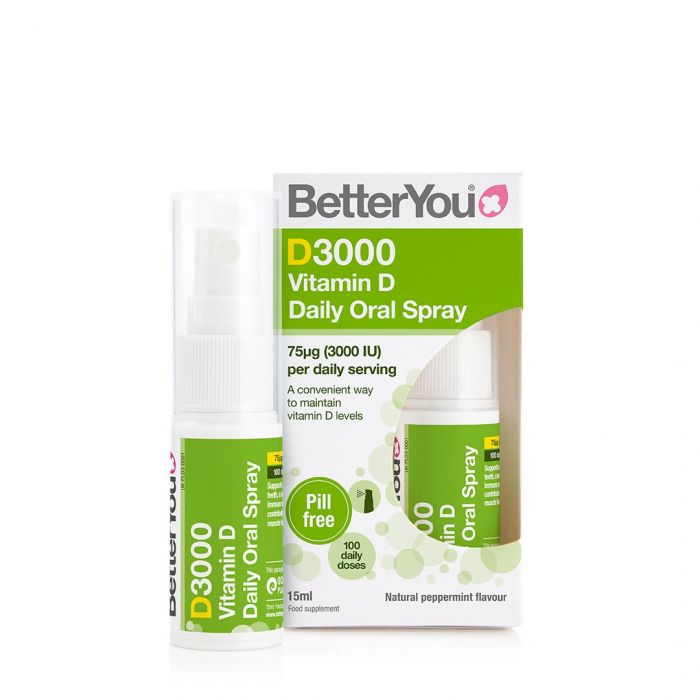
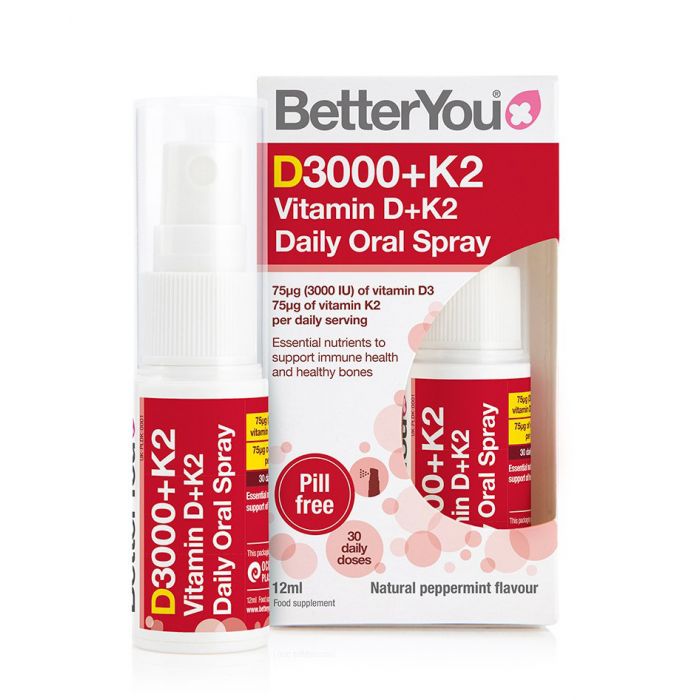
The sprays from BetterYou are excellent value, taste nice, and easily stow away in the car or your handbag. Each provides 100 daily doses at 1 spray/day.
The BetterYou sprays are intraoral (meaning they're absorbed through the cheeks) making them highly bioavailable since they don't have to pass through the stomach and digestive system.
Our best-selling vitamin D supplement is BetterYou D3000 Vitamin D Oral Spray. At 3000IU per spray, this formula provides a high dose so it’s an excellent choice for people who are deficient in vitamin D.
And if you’re vegan, they’ve got you covered with BetterYou DLux 1000 Vegan Vitamin D Oral Spray made from lichen (algae-like plants) rather than lanolin (a sheep’s wool derivative) which is what non-vegan D3s are made from.
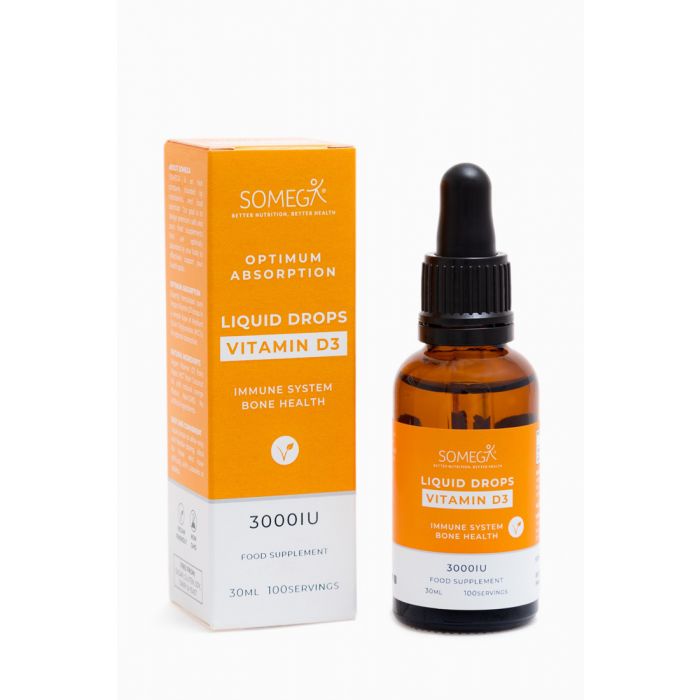
We’re loving this new vitamin D liquid from Irish company Somega. It's vegan, and has a lovely orange flavour and very simple ingredients. The bottle contains 100 servings, 3000IU each, so it’s nice and strong.
We also like that it comes in a recyclable glass bottle.
If you prefer capsules
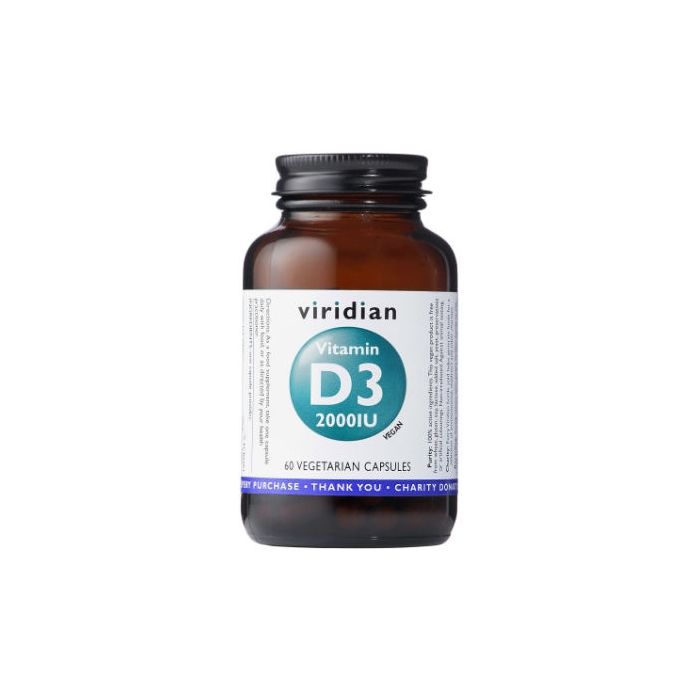
All the Ds above are liquids, but if capsules are more your style, you may prefer Viridian Vitamin D3 2000IU - also a popular choice with our customers.
It’s vegan, provides a robust daily dose, and also comes in a recyclable glass bottle.
Vitamin D and vitamin K2
Vitamins D and K2 share a special synergistic relationship and there’s a case to be made for taking the two together.
Studies show that D and K, both fat-soluble vitamins, are important for bone and cardiovascular health.
But to fully understand why vitamins D and K are a match made in heaven, we have to talk about calcium. Without vitamin D, our bodies would do a poor job of absorbing calcium. Without vitamin K, the calcium we absorb wouldn’t end up where it needs to go, and instead could end up in places like our arteries (where we definitely don’t want it to go).
So if you think of our bodies like a multi-level building, vitamin D opens the front doors to calcium, while vitamin K directs it to the right rooms.
If you’re a woman and you take neither vitamin D nor an omega 3 supplement, you may want to consider adding both to your daily regime.
Vitamin D deficiency has been associated with infertility and polycystic ovarian syndrome. And it’s known that estrogen deficiency and vitamin D deficiency both contribute to osteoporosis in women who’ve gone through the menopause.
So where does omega 3 come in?
Well, researchers have seen how omega 3 supplementation (plus moderate exercise) can have a positive effect on low estrogen levels in postmenopause women. And evidence suggests that when premenopausal women take a combination of D3 and omega 3, it’s associated with many health benefits including lower risk of kidney, bone, and cardiovascular diseases.
Now researchers are curious to know more about how D3 and omega 3 supplementation can work together to support estrogen levels and protect women against common diseases, including osteoporosis.
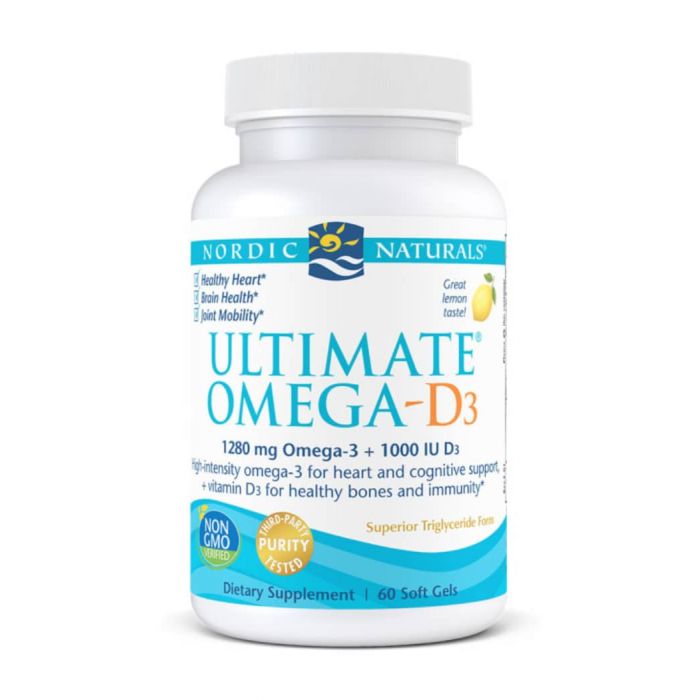
If you want to take the two together, you don’t even have to buy them in separate forms. Nordic Naturals Ultimate Omega D3 makes it easy to get your daily dose of D3 and omega 3s from the same capsule. BTW, men can take this too.
If you're vegan, we've got you covered - Wileys Catch Free Vegan Omega Full Spectrum Omega-3 provides not only vegan DHA omega 3 but also 25μg of vitamin K2 and 25μg of vegan vitamin D (enough to cover the daily recommended dose).
Want to know more?
That’s a lot to take in about vitamin D! But at its very basic, it’s simple: every adult in Ireland is recommended to take a daily vitamin D3 supplement of 20-25 micrograms (1000 international units).
If you’re still not sure which vitamin D makes sense for you, send us an email ([email protected]), we’re always happy to hear your questions and see what we can do to help.
This entry was posted in News, Natural Health on 6th May 2021 by Marci Cornett
Win €100 Organico Gift Voucher
Subscribe to our newsletter to enter our monthly giveaway.
Giveaways run from June to November 2024. Unsubscribe any time. Terms and conditions apply.