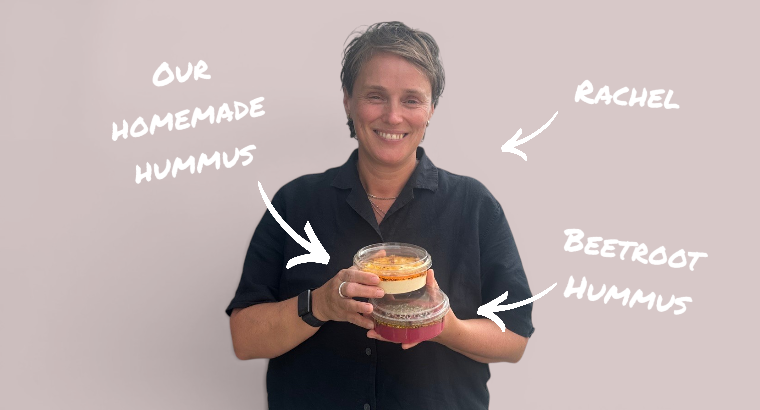
Before we were born, our mum, Caroline Dare, spent time making vegetarian food for a café in Brighton. As a result, we grew up eating homemade hummus, made the traditional way with chickpeas cooked from scratch, and her recipe is one we've never stopped making. Here in the Organico Kitchen, we still prepare our hummus from dried chickpeas, and it's one of our favourite staples for easy summer lunches, picnics and sharing platters.
And while you can buy perfectly good hummus these days, there really is something special about making it yourself. It's incredibly simple, you know exactly what's going into it, and once you've got the hang of it, you can adjust the lemon, garlic and tahini until it's exactly how you like it.
A Little Bit About Hummus
Hummus has been enjoyed across the Middle East and Mediterranean for centuries, and the name comes from the Arabic word for chickpeas, and the classic dish hummus bi tahina simply means chickpeas with tahini.
At its heart, hummus is a wonderfully simple combination of cooked chickpeas, tahini, lemon and garlic, usually finished with a good drizzle of olive oil. We love simple recipes that transform a handful of really good ingredients into something delicious.
How We Make Hummus at Organico
Watch Róisín in our Deli Kitchen as she shares a few tips from our kitchen and shows you how we make it. We bet you didn't know about the trick of using ice instead of water to make it super smooth!
Starting with dried chickpeas does take a little more planning, as you'll need to soak and cook them first, but we think it's well worth the effort. That said, if you're short on time, a tin or jar of chickpeas will work beautifully too.
Our Homemade Hummus Recipe
Ingredients
480g drained cooked chickpeas (or 2 x 400g tins - approx. 240g drained each)
Put the chickpeas into a saucepan, cover with fresh water and add ⅛ tsp bread soda.
Bring to a simmer and cook for 15 minutes until very soft.
Drain and rinse with warm water to remove any traces of the bread soda.
Add chickpeas to a food processor and blend for 2–3 minutes.
Gradually add about 1/4 of the iced water while blending to keep the mixture moving and prevent overheating.
Add the salt and about half of the remaining water and blend for another 2–3 minutes.
Add the tahini, garlic and lemon juice and blend for a few more minutes until very smooth.
Continue adding iced water a little at a time until the hummus is light, silky and slightly looser than you'd like, it will thicken considerably in the fridge as it cools.
Refrigerate for at least an hour before serving.
Taste and adjust lemon, salt or garlic as desired.
Notes
For an extra creamy hummus, don't be afraid to use the full amount of water.
If you prefer a stronger tahini flavour, increase to 60–70g tahini.
This recipe yields approximately 800–900g hummus, enough for a family and a few lunches.
Don't worry too much about getting the quantities exact. Hummus is a very forgiving recipe, and everyone has their own idea of the perfect balance of tahini, lemon and garlic. We recommend tasting it as you go and making it your own.
Make It Your Own
Once you've mastered a basic hummus, there are lots of little additions you can play around with.
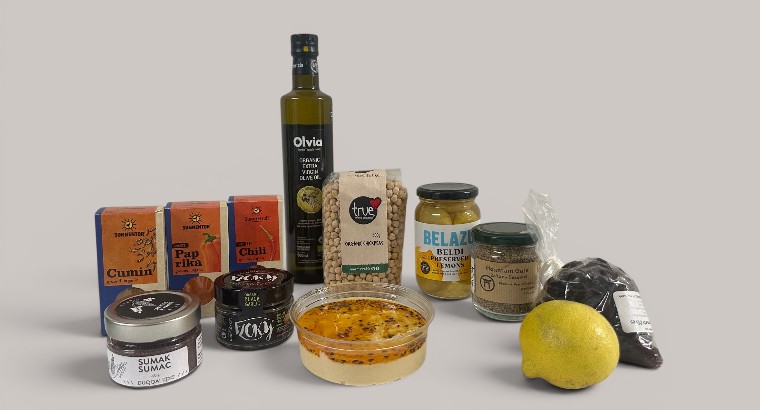
Ground cumin is probably one of the most popular – try adding about ½ teaspoon to the mixture for a warm, earthy flavour. A little smoked or sweet paprika is lovely too, either blended through the hummus or sprinkled over the top before serving.
You could also try adding a pinch of chilli if you like a little heat, or fresh herbs such as parsley or coriander for something fresher. Za'atar or sumac sprinkled over the finished hummus are delicious additions, particularly with a generous drizzle of olive oil.
Roasted garlic can be used instead of fresh garlic for a sweeter, mellower flavour, or try our fermented Black Garlic Paste for a similar flavour profile.
Roasted red peppers, beetroot or even some finely chopped olives can turn the basic recipe into the most impressive offering at the pot luck! The beauty of homemade hummus is that once you have the basic recipe, you can experiment with whatever you have in the cupboard or fridge.
So Many Ways to Enjoy It
One of the reasons hummus has remained such a staple in our kitchens is that there are so many ways to eat it.
It's perfect simply served with warm flatbreads or crunchy vegetable sticks, but it's also brilliant in sandwiches and wraps, spooned onto salads or grain bowls, or served as part of a mezze or sharing platter with olives, falafels and plenty of fresh vegetables.
It's also one of those things that's really handy to have waiting in the fridge. Add a dollop to a simple lunch and suddenly it feels much more substantial.
Our Favourite Hummus Lunch
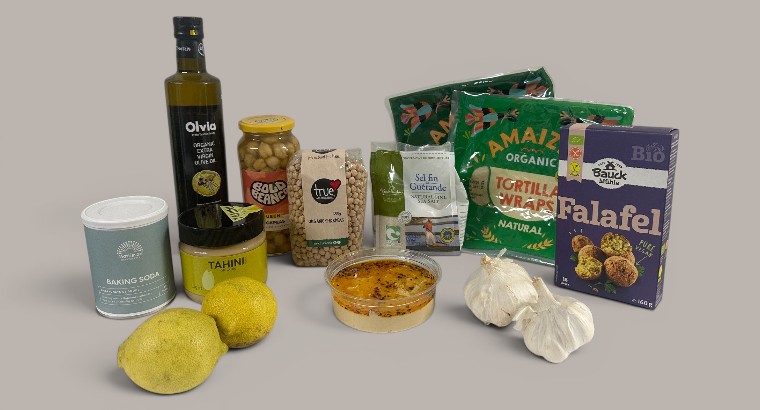
While there’s alot you can do with hummus, our simple recipe shared above is exactly how we eat it at home. I (Hannah) make falafels using this mix, pile them into these wraps with a generous helping of our homemade hummus, drizzle over a simple tahini sauce (we like using light tahini) and add plenty of fresh salad.
It's a delicious, wholesome lunch that everyone enjoys – and particularly good for summer lunches when you want something easy, fresh and filling.
Once you start making your own hummus, you'll work out exactly how you like it – extra lemony, a little more garlicky, or with plenty of tahini. And if you haven't tried the ice cube trick before, give it a go. It really does make a difference!