What can you do if you routinely wake up throughout the night? What about the anxiety that comes out of nowhere during menopause? How can you reduce difficult mood swings? All questions you’ve asked, and we’ve got answers to…
Expert answers to your menopause questions
Each question below was asked by someone (maybe you!) who joined us live for one or our menopause webinars over the last couple of years.
I’m 48 and I’ve been struggling with sleep for the last year. I’ve been getting about 5 ½ (interrupted) hours per night. After that, it’s only dozing. I’ve tried magnesium, hot baths, herbal teas, and meditation. What else can I do?
Keep doing what you’re already doing, but also check your blood sugar. It might be causing the middle-of-night wake-up.
It’s also a good idea for you to cut out caffeine after lunchtime.
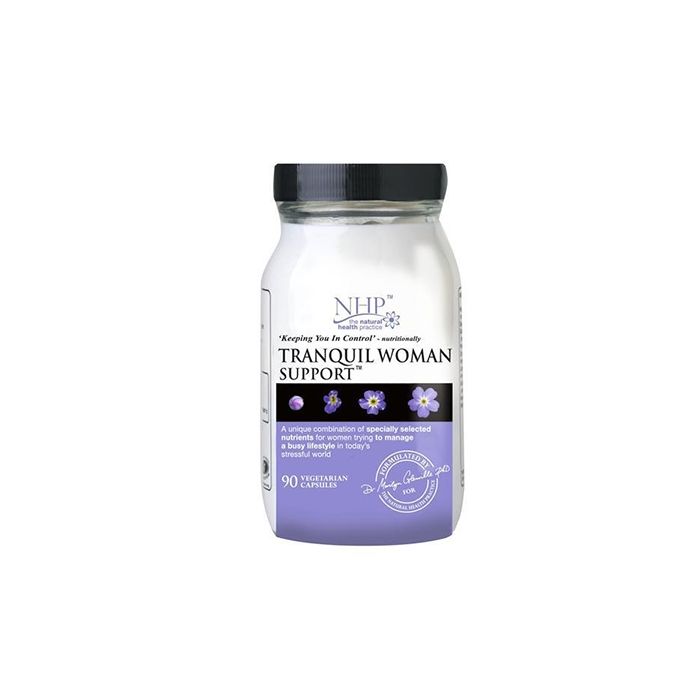
On top of that, add Tranquil Woman Support. It contains important nutrients that promote rest and relaxation. Particularly the L-theanine in it can help switch off the brain.
I’m trying to maintain healthy blood sugar levels to help with insomnia. Any suggestions around evening meals and their timing? Should I not snack in the evening as well?
Daily fasting can help.
One of the easiest ways to fast is the 12:12 fasting method. Every day, you eat within a 12-hour window of time and then fast for 12 hours.
This could look like
Breakfast at 7am
Lunch at 1pm
Either a mid-morning or mid-afternoon snack
Dinner at 7pm
Then you’ll have 2-3 hours between your last meal and going to bed. After that, it’s 12 hours of fasting overnight.
This fasting method helps sensitise your body to insulin so you can maintain healthy blood sugar levels.
It also cuts out the danger zone when you’re in front of the TV at night, tempted to mindlessly snack.
I’ve cut out stimulants and integrated relaxation techniques. But I’m still waking up during the night. What can I do?
It’s time to give your liver some love.
Your liver is responsible for breaking down hormones once they’ve served their purpose in your body. But if your liver isn’t functioning properly, then it’s not able to deactivate excess hormones.
When the hormones cortisol and melatonin build up in your bloodstream, they disrupt sleep and cause daytime fatigue.
Going on a course of Milk Thistle for a month of two can really help remove toxins and support the liver’s natural function.
You should also consider resetting your sleep pattern since it’s possible your body is now used to waking at certain times during the night.
To do this, try taking Dormeasan Valerian-Hops Oral Drops about 30 minutes before bed until your body adjusts to a longer night’s sleep.
How you can reduce anxiety during menopause
I’m aware of my heart beating, especially going to bed and waking up during the night. It makes me feel anxious. Is there a way to ease this?
It’s likely your body has entered a fight or flight situation.
Your body is doing things quickly, because it’s convinced it needs to save your life. A strongly beating heart is part of that response.
Keep a check on your blood sugar. As part of that, it’s essential that you don’t miss meals, which upsets the balance of your blood sugar and hormone release.
To counteract the fight or flight response, consider taking Tranquil Woman Support. It really helps to buffer and calm the body’s stress hormones.
I get anxiety that seems to come from nowhere. It’s unnerving because I know nothing’s really wrong. But I feel waves of anxiety and heart palpitations. How can I make this stop?
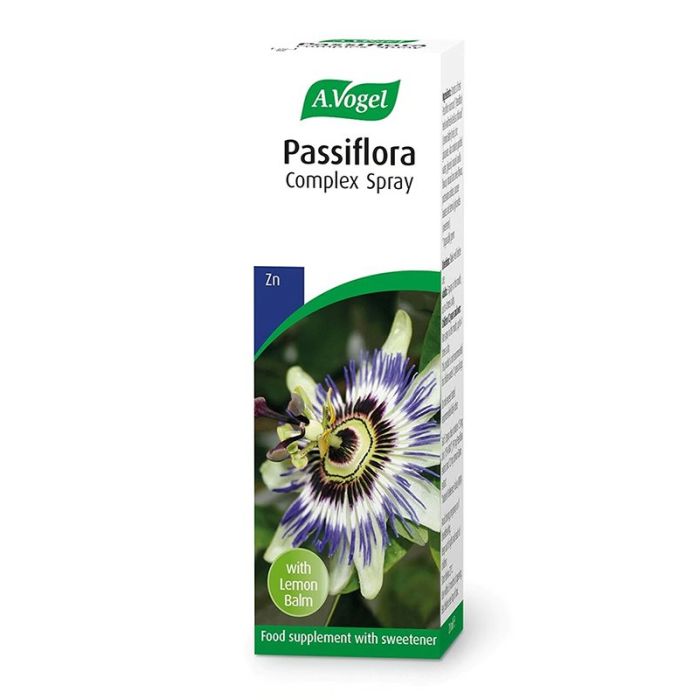
Taking Passiflora can really help. It’s a tincture derived from passion flowers and oats that helps relax an overactive nervous system.
It’s also important to keep a check on your water intake. Because dehydration exacerbates anxiety.
If you’re getting night sweats or nighttime palpitations, then you’re losing a lot of fluid. And that puts your body under even more stress.
You’re probably not getting as much water as you think you are. You need a base of 1 ½ litres per day of plain water. (Not fizzy or flavoured water. Not herbal teas.)
To address heart palpitations, make sure your salt intake is under control. Too much salt contributes to them.
It’s also a great time to take stock of your life. Have you taken on too much? Are you giving yourself sufficient time to rest? What can you do to pamper yourself?
How you can stabilise mood swings during menopause
How can I stop these extreme menopausal mood swings? Often, I don’t even feel like myself.
Rest assured, mood swings are completely normal during menopause. They’re brought on by hormonal fluctuations that destabilise your neurotransmitters.
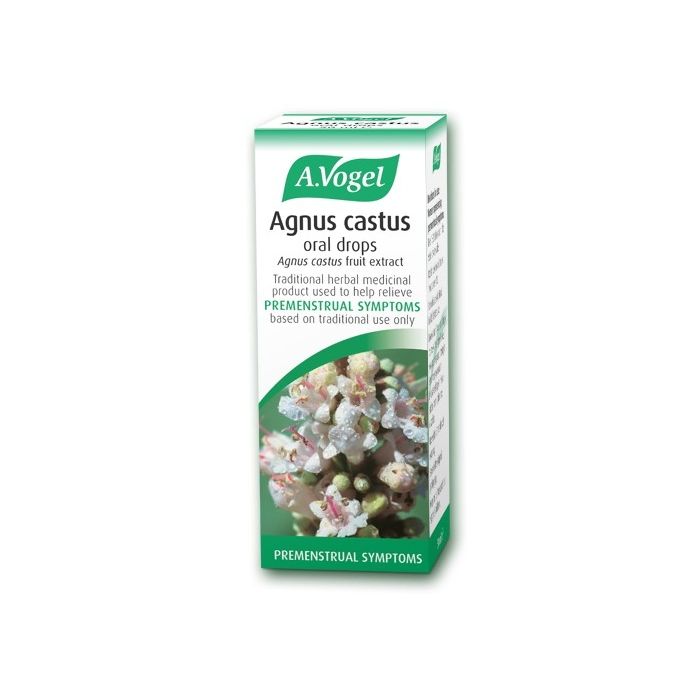
If your menopausal mood swings tend to be very angry, try taking Agnus Castus. The oral drops can help soothe severe irritability and calm your nervous system.
Make sure you’re getting enough water (at least 1 ½ litres per day). That can really help with overwhelming anxiety.
It’s also important to get enough magnesium and B vitamins. They help support your hormones and regulate your moods.
For any mood swing - whether you’re feeling low or angry - make sure you’re nice to yourself. This means giving yourself ample time to rest and recuperate. Even if you have to say ‘no’ to things.
Menopause is a time to focus on you.
Top takeaways for easing menopause insomnia, anxiety and mood swings
Found the answers on anxiety and moodswings very helpful. On reflection I actually realised that I now drink more caffine than I thought and not enough water! I used to be great for the water.
I'm buying nph menomullti from you for the last year and find it good, if i change to Tranquil women support will i still be getting much the same other supplements that are in the menomulti, they are both nhp.
many thanks
Carina









Found your webinars very helpful and informative.
Thank you all.
I feel so much more informed and positive about menopause thanks to you guys ❤️
many thanks
Carina