Why am I gaining weight despite a good diet? What can I do about sluggish digestion? What type of exercise is best during menopause? You asked these menopause questions, and our natural health experts provided answers…
Expert answers to your menopause nutrition and fitness questions
The questions below came up in the Q&A’s during our live menopause webinars.
Each answer is informed by an expert source, either Dr Marilyn Glenville and Heather Gleeson of Natural Health Practice, or Alison Cullen and Sarah Hyland of A.Vogel.
How to maintain a healthy weight during menopause
Why am I gaining weight despite a good diet?
It’s important to realise there’s a process going on here. You don’t have the hormones you did before.
What you’re experiencing is caused by low oestrogen.
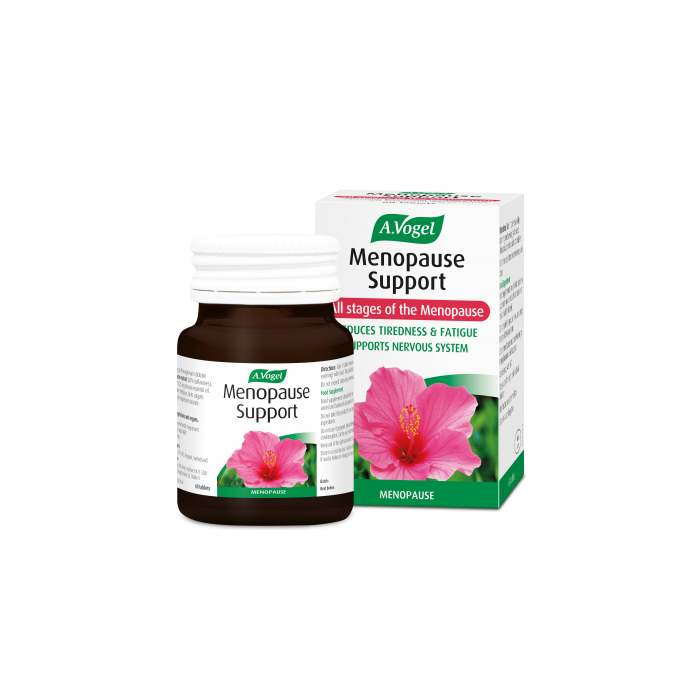
Taking fermented soya isoflavones through Menopause Support can help. Twice a day. Takes effect quickly. The longer you stay on it, the better it works.
But know that a little bit of extra weight – especially around the belly – as you transition isn’t a bad thing. Because you can actually produce more oestrogen in your body fat tissue.
So above all, be gentle with yourself.
I’ve put on excessive weight. More than I’m comfortable with. What can I do about it?
Assuming your diet is based on nutritional foods, it’s time to look at supporting your liver.
Your liver is of primary importance at this point in your life. Because it’s responsible for metabolising fats and breaking down excess hormones.
But the more your liver is struggling, the harder it is to get your hormones back in balance.
Be kind to your liver. That means less caffeine. Less alcohol. Hold back on the chip suppers.
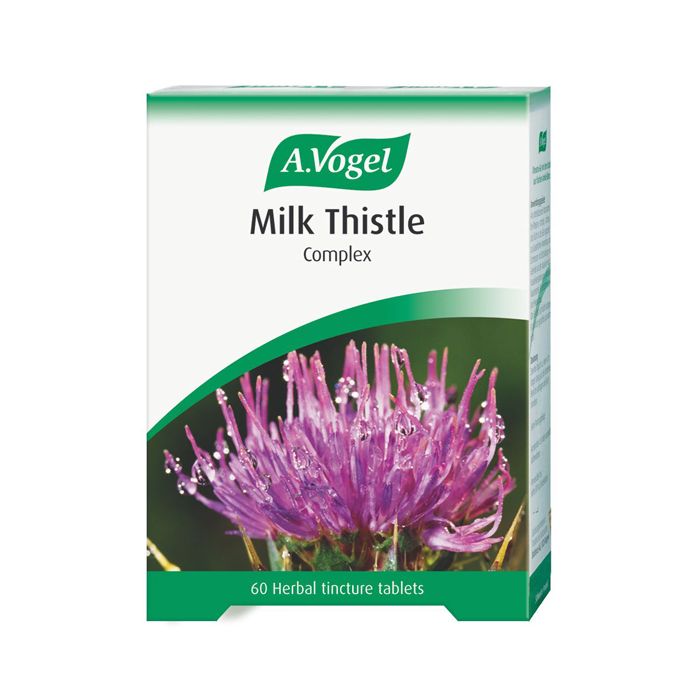
I’d also suggest going on a course of Milk Thistle for a month or two. It can really help protect the liver’s natural function by removing toxins and supporting metabolism.
How to support digestion during menopause
Is there anything I can do for sluggish, troubled digestion?
As your oestrogen levels fall, it causes your digestion to slow down.
So it’s natural that you feel more sluggish and your body isn’t as sharp as it used to be. It’s all part of the transition.
You can aid digestion by giving your body the nutrients it needs in the forms that are easiest to absorb.
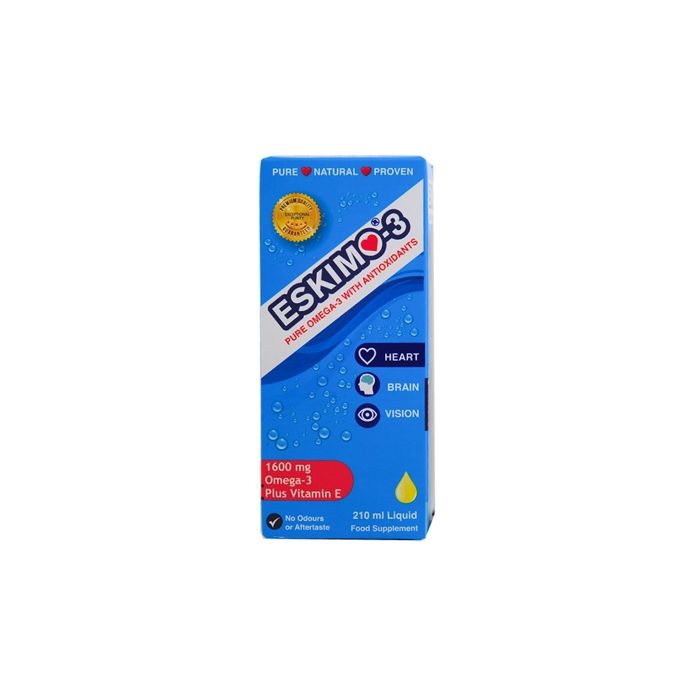
This is when you want to take Omega oils and supports made from bioavailable botanic ingredients, like those from Terranova and A.Vogel, to assist digestion and help with the sluggish feeling.
I’ve heard chromium can help manage cravings. What foods can I get it from?
Foods that are high in chromium include rye, potatoes, peppers and oysters.
But if your cravings are quite strong, consider taking a chromium supplement.
The irony with chromium is that it’s often stripped away from refined foods. So people who eat a lot of refined foods often get more cravings, because they’re not getting enough chromium.
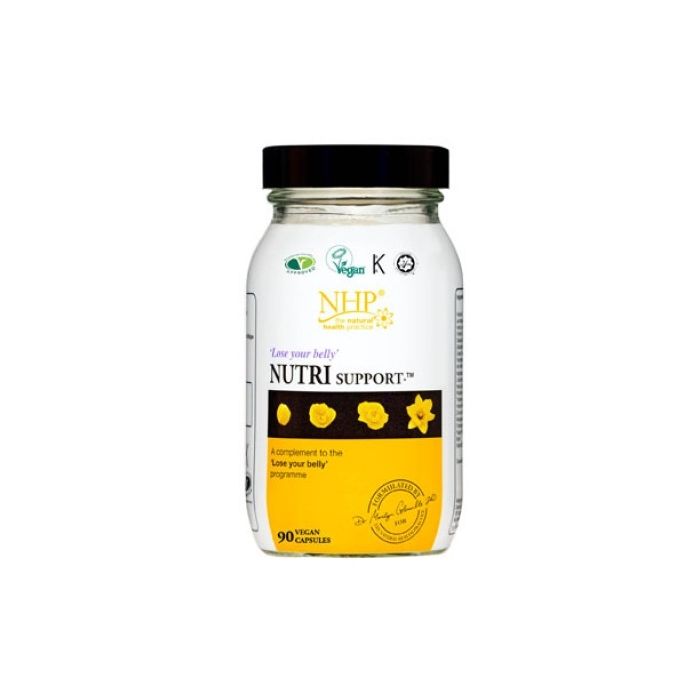
If you’re trapped in this ‘cravings cycle’, you may find NHP Nutri Support to be helpful. It includes chromium to manage hunger and cravings, as well as B vitamins which can balance blood sugar which will help break the vicious cycle.
How to stay fit during menopause
When it comes to exercise, what type is recommended for menopause?
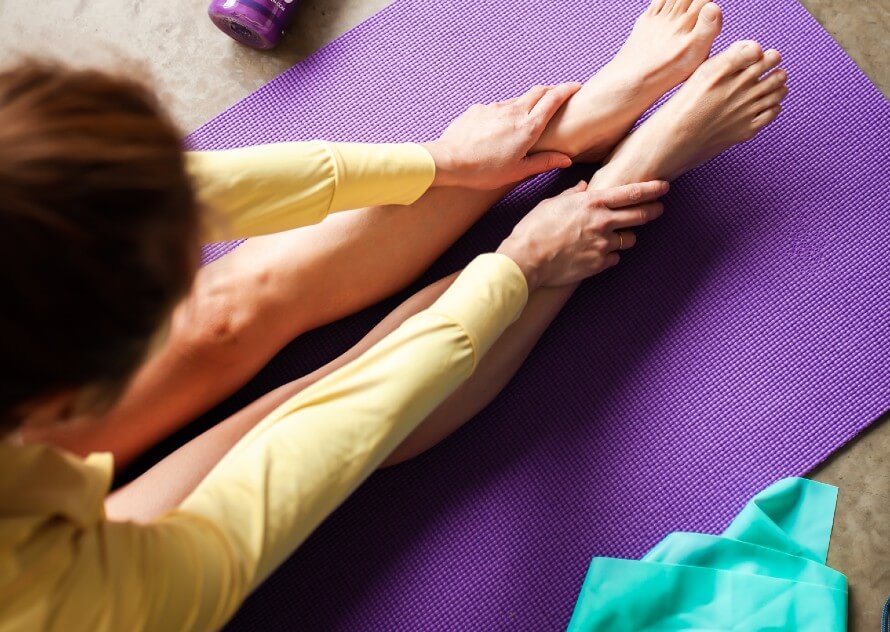
Expect to find that you’ve temporarily got less elasticity as you transition. So swap anything that’s hard, heavy and pounding to exercise that's gentle and stretchy.
Anything that jars your joints or asks a lot of your musculoskeletal system is going to be painful, and that will unnerve you.
So instead, go for routines based on pilates, yoga or walking.
Breathing exercises are also really good because the menopausal body needs to take in a lot of oxygen.
But no matter which exercise you choose, it’s important to be gentle and kind to yourself during this time.
Is it better to exercise before or after meals? Mornings or evenings?
The best time to exercise is first thing in the morning, before breakfast.
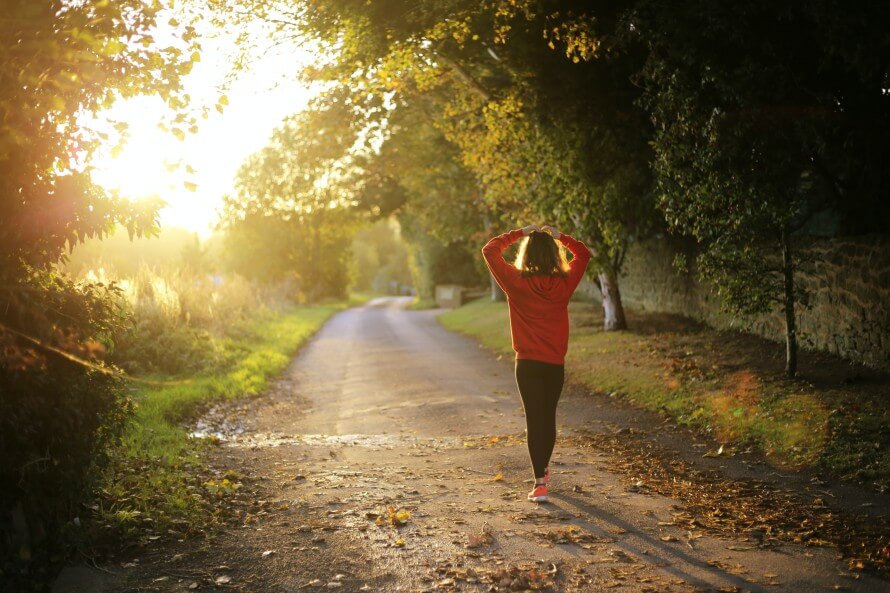
Drink some warm water, then go out and walk for 10-20 minutes.
That first exposure to daylight is so important for regulating your circadian rhythm and sleeping better at night.
Also, when the body feels sunlight on its skin – especially after winter – it’s a signal that it doesn’t need to store weight anymore. So getting outside can help trigger fat loss, particularly in the spring.
I am 56 years old ,trying to avoid HTR as much as I can .
I tried some supplements but find them too expensive . What do you think is better to turn to pharmaceutical product or natural? I have all those symptoms you describe ,often I stand in front of the mirror and cry looking at my self thinking this extra weight is not mine and does not belong there .



I am 56 years old ,trying to avoid HTR as much as I can .
I tried some supplements but find them too expensive . What do you think is better to turn to pharmaceutical product or natural? I have all those symptoms you describe ,often I stand in front of the mirror and cry looking at my self thinking this extra weight is not mine and does not belong there .
Many thanks Monika
going through
Menopause
No Moderation