What can I do for joint pain all over? How can I support bone health now that I have osteoporosis? How do I look after an underactive thyroid? You asked these menopause questions, and our natural health experts provided answers…
Expert advice on menopause health
The questions below came up in the Q&A’s during our live menopause webinars.
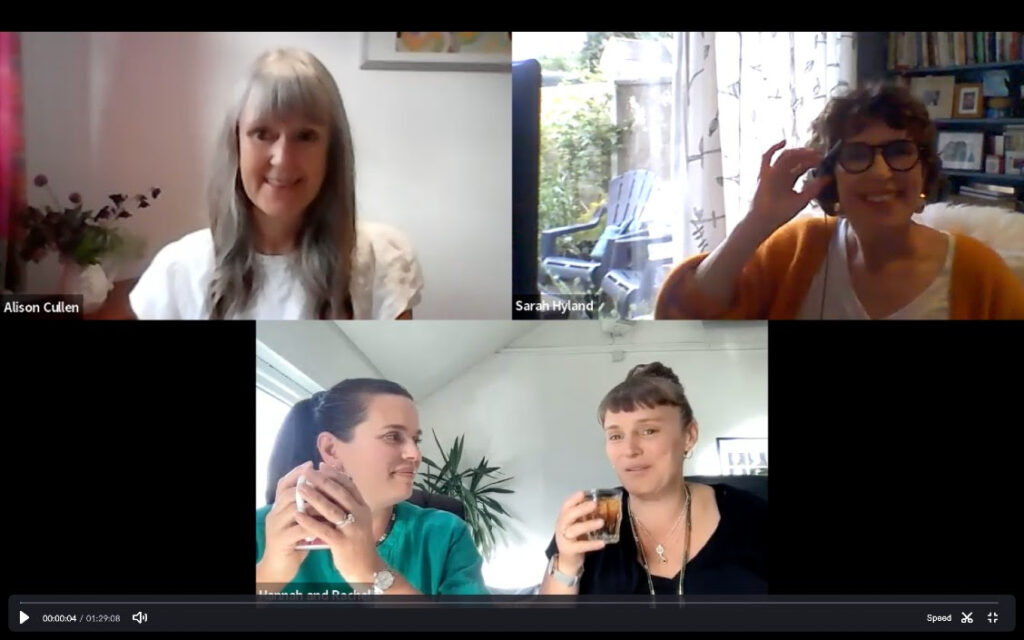
Each answer is informed by an expert source, either Dr Marilyn Glenville and Heather Gleeson of Natural Health Practice, or Alison Cullen and Sarah Hyland of A.Vogel.
How to reduce inflammation during menopause
I’m 54-year-olds, still bleeding on and off. I’m having joint pain all over. What do you recommend for me?
You’re likely in a pro-inflammatory situation.
This is caused by an imbalance between Omega-6 and Omega-3.
I’ve heard starflower and evening primrose oil are inadvisable for women in perimenopause. Is that true?
It depends…
For some women who are still getting their cycle and still getting PMT, they could be helpful.
But the difficulty is, we’re getting too much Omega-6 from the diet as it is. So taking these oils, especially around menopause, is generally not a good idea.
For anyone with a lot of pain and inflammation, it’s time to think about letting go of the sources of Omega-6 (like takeaways and processed foods) and increasing Omega-3.
To have any chance of getting enough Omega-3 from diet alone, you’d have to be eating oily fish 5-6 times a week. So an Omega-3 supplement is almost always a requirement.
How to address osteoporosis and osteoarthritis during menopause
I developed osteoporosis after cancer treatment. I’m now 54 and wondering what I can do at this stage to improve my bone health.
Testing needs to be done – like vitamin D, bone turnover, and digestion – just to make sure everything’s going okay in those areas.
After that, it’s essential to make sure your bones are getting the proper nutrients to support bone density.
Also – make sure you’re hydrated. As oestrogen levels fall, it’s harder for the tissues to stay hydrated. Aim for at least 1.5 litres of plain water each day.
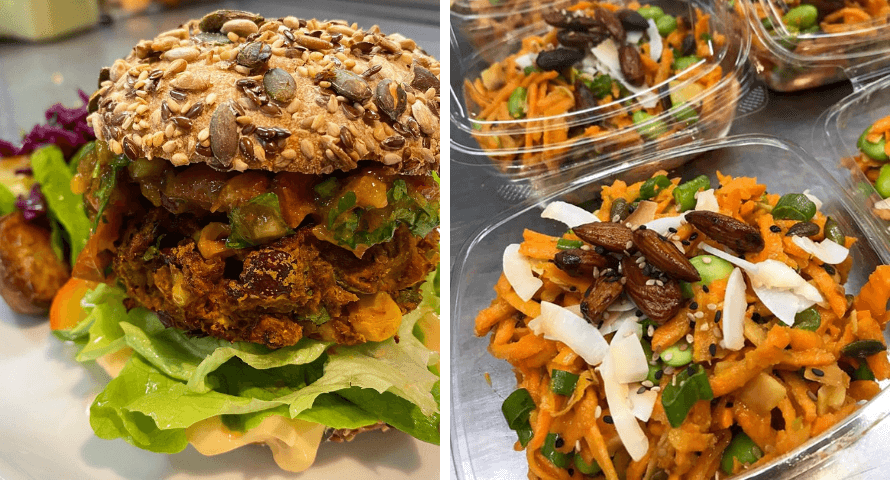
In your diet, be sure you have healthy fats going in from sources like:
And of course, Omega-3 oils (either from fish oils or vegan algae) can really help with inflammation and hydration.
How to keep cholesterol in check during menopause
My doctor took me off Omega-3 because he thought it was causing my high cholesterol. Is there a link?
It’s unlikely.
Polyunsaturated fat – which is what Omega-3 is – can actually lower cholesterol.
Remember that 80% of the body’s cholesterol is produced by the liver. Only 20% comes from the diet. The reason statins work is because they’re able to block cholesterol production from the liver.
So the questions will always be, why is the liver producing too much cholesterol? What type of cholesterol is the liver producing? Is it bad cholesterol?
To get this information, you’ll need to be tested.
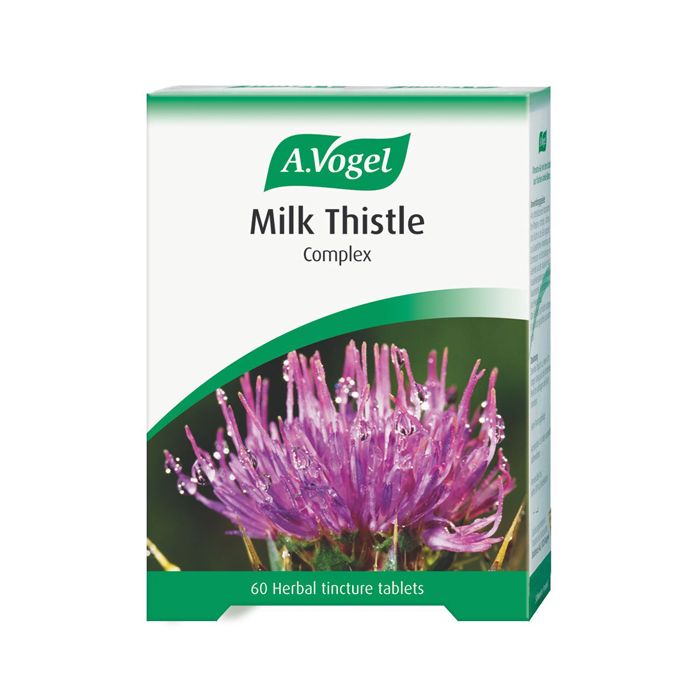
In addition to this, you can consider supporting the liver’s natural function with a course of milk thistle.
Above all, be kind to your liver. Less caffeine. Less alcohol. Less processed food. More whole foods and healthy fats.
How to support thyroid function during menopause
I’m trying to understand - what is the link between menopause and the thyroid?
First of all, stress and cortisol will affect thyroid function.
Most common during the menopause is an underactive thyroid. Everything is slowing down. Getting tired and getting cold. That’s often why a woman in menopause can’t lose weight.
But still, it’s a matter of finding out what type of thyroid issue it is.
Is the issue caused by a nutrient deficiency? Too little iodine, selenium or iron?
Or is it an auto-immune issue, like Graves’ disease?
Once you know the underlying issue, there’s a lot you can do nutritionally to support the thyroid.
Can you eat fermented soya if you have Hashimoto's / underactive thyroid?
You can.
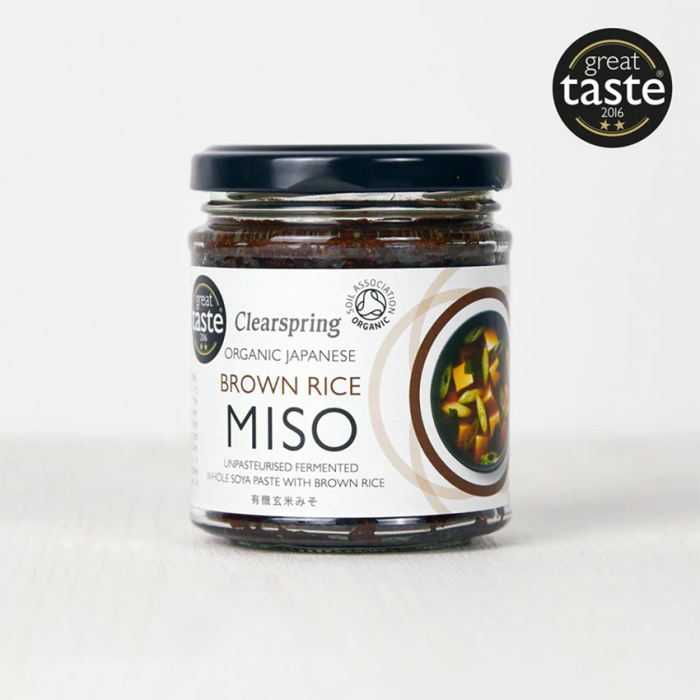
The issue is with goitrogen, which would affect the uptake of iodine, particularly for an underactive thyroid. But it’s only an issue when the soya is raw. When it’s fermented and cooked, like in miso, it’s not a problem.
When choosing soya, always go for organic, so you know it’s not genetically modified. And it’s better if the product is made from the whole soya bean. So avoid products with ‘soya isolate’ or ‘soya protein isolate.’
In other words, eat the whole food. As it’s been eaten for hundreds of years. Not something fake that’s made up to taste like chicken or beef.
It’s also good to mix up protein sources. Have chickpeas, hummus, lentil soup, nuts, seeds… the emphasis doesn’t always have to be on soya.
The same concept goes for kale and spinach. When raw, it can aggravate hypothyroidism. But when cooked, it’s not an issue.
Top takeaways for managing potential health concerns
Hi,
Thank you for your information. I appreciate your emails and Social media.
I'm 46. I have Bipolar. I'm on Lithium 800mg and Haloperidol 1mg. I have psoriasis of the scalp and Psoriatic arthritis as side effects of the medication. I'm on medication since 1998. It's works well for my mental health.
I'm taking Turmeric with black pepper 600mg twice a day and green lipped mussels once a day (can't remember the dose, it's holland and barrett capsules).
Both of these were working well for the arthritis but now, the toe beside the baby toe on the left foot is very red, inflamed, hot and angry looking.
I'm taking udo's oil, with porridge in the morning. Flaxseed, bee pollen, Fibre89.
I would really like advice on the psoriasis of the scalp and the psoriatic arthritis please.
Hi I've just finished 27 sessions of radiotherapy for endometrial cancer and prior to that had a fullhysterectomy in December. I have recovered well from op. Just wondering what's the best for me to take now. I am 56 and already had been in peri heading to meno. My sleep is the worst, a few aching bones but other than that not too bad thankfully. Love your page. Thanks Sheila
Hi Sheila apologies I missed your message till now. I would suggest giving us a call and we can talk through diet and lifestyle to support your situation. best wishes Hannah



Thank you for your information. I appreciate your emails and Social media.
I'm 46. I have Bipolar. I'm on Lithium 800mg and Haloperidol 1mg. I have psoriasis of the scalp and Psoriatic arthritis as side effects of the medication. I'm on medication since 1998. It's works well for my mental health.
I'm taking Turmeric with black pepper 600mg twice a day and green lipped mussels once a day (can't remember the dose, it's holland and barrett capsules).
Both of these were working well for the arthritis but now, the toe beside the baby toe on the left foot is very red, inflamed, hot and angry looking.
I'm taking udo's oil, with porridge in the morning. Flaxseed, bee pollen, Fibre89.
I would really like advice on the psoriasis of the scalp and the psoriatic arthritis please.
Many thanks
Yvonne O'Shea