I know it can be a divisive vegetable, but I have to say I LOVE beetroot. I love it in salads - cooked or raw - and I love it roasted. And I especially love that the whole plant is not just edible but tasty. The leaves are delicious cooked like spinach - in fact, in some cultures, the leaves are prized more than the roots!
Beetroots are so vibrant, and have SO many health benefits - too many to cover! I’m only going to manage to summarise the most researched ones here.
And while beetroots have been celebrated in kitchens for centuries, recent nutrition research helps explain exactly why they are such a superfood.
We can have a tendency these days to look for a supplement or a medicine to support our health, overlooking less glamourous foods. So this month I am going to celebrate the humble beetroot, and show that adding beetroots in your diet, or taking a daily shot of beetroot juice, can have significant health benefits, and can in some cases reduce the need for medication.
I used a website I like called NutritionFacts.org for the research mentioned below, in case you want to check out the references.
1. Supports Healthy Blood Pressure and Heart Health
One of the best-studied health benefits of beetroot comes from its high nitrate content.
Unlike the nitrates you find in sausages and other processed foods, the nitrates in beetroot are converted in the body into nitric oxide - a molecule that relaxes and widens blood vessels, improves blood flow and helps to lower blood pressure. Even if that was the end of their health benefits, beetroots should win a Nobel Health Prize!
Beetroot’s heart-friendly properties are mirrored in its shape and colour. Particularly when cooked, it looks just like a human heart - in case we needed a visual reminder of its benefits.
In terms of high blood pressure, there are clinical studies that show that drinking beetroot juice or consuming nitrate-rich beetroots can significantly reduce systolic blood pressure, with effects that begin within hours of consumption and last throughout the day. And of course with no side effects - just side benefits!
2. Helps Boost Athletic Performance
The same nitrates that help support healthy blood pressure also help with exercise efficiency and performance.
Research reviewed on NutritionFacts.org highlights that nitrate consumption can improve the efficiency with which the body uses oxygen during exercise. This means muscles can work harder or longer with the same amount of oxygen, which can translate into better endurance and performance, especially in endurance sports such as cycling or running.
Some studies reported that cyclists who consumed beetroot juice required less oxygen to compete at a high intensity compared to those who didn’t - a measure of improved aerobic efficiency.
3. Rich in Antioxidants and Anti-Inflammatory Compounds
Beetroot isn’t just a pretty veg - the deep dark red colour comes from betalains, a class of phytonutrients with antioxidant and anti-inflammatory properties. These compounds help combat oxidative stress (the imbalance between free radicals and antioxidants in the body), which is linked to many forms of chronic disease.
Oxidative stress and chronic inflammation are implicated in heart disease, cancer, and metabolic disorders. While dietary antioxidants don’t cure disease, eating antioxidant-rich foods like beetroot contributes to our body’s ability to neutralise free radicals and support healthy cellular function.
4. Enhances Circulation and May Support Brain Health
Beyond the heart and muscles, improved circulation matters to the brain too. Some emerging research suggests that better blood flow - facilitated by nitric oxide from dietary nitrates - may help maintain cognitive function as we age, and even reduce the progression of dementia.
5. What Is Beeturia?
One of the more curious phenomena associated with beet consumption is beeturia - when urine (or sometimes stool) takes on a pink or reddish colour. It’s nothing to be worried about though - it’s just the colourful beetroot making its way out of your system.
6. A Whole-Food Source of Nutrients
In addition to nitrates and betalains, beetroot brings a range of important micronutrients to the table. It’s a source of vitamins like folate (important for cell growth and cardiovascular health), minerals such as potassium (which supports nerve and muscle function), and dietary fiber, which is beneficial for digestive health.
If you have an inflammatory bowel condition, adding beetroot to your diet could be very helpful. Maybe start with the juice and if that is tolerated well, see how you do with cooked beetroot.
7. Versatile and Easy to Eat
Beetroot’s earthy sweetness makes it a wonderful ingredient in salads, smoothies, soups, roasted vegetable dishes, and juices. Many people find beetroot even tastier when combined with orange juice or ginger.
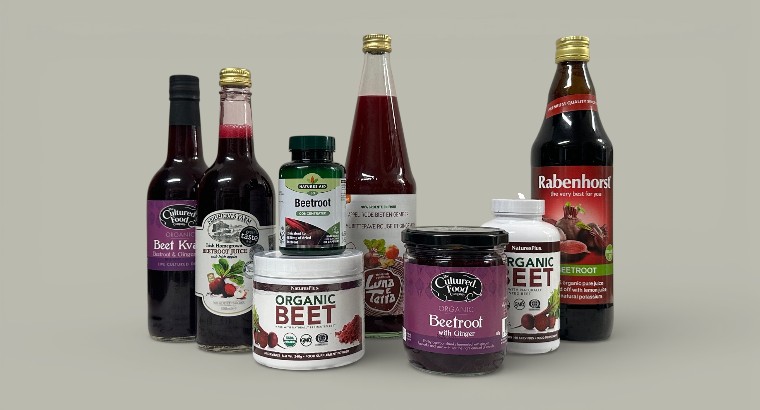
8. Enjoy Beetroot in convenient (and tasty!) ways
We have some fantastic beetroot products at Organico, including several Irish products.
This isn’t medical advice - please do your research thoroughly and consult a medical professional if you are on medication or have a serious health concern.