Pimp Up Your Water: How to Make the Ultimate Hydration Drink at Home
This entry was posted in News, Natural Remedies on 8th August 2025 by Hannah Dare
I’ve always been passionate about water - I love watching it, swimming in it, and I even completed my MA Thesis on the sociological effects of water privatisation around the globe. Who owns water rights is a huge issue - in many places, if you control the source of water, you basically have all the power.
I’m also very interested in the relationship between improving hydration and healing chronic illness. I believe that most of us are actually chronically dehydrated, and that many illnesses can be eased by working out how to hydrate our bodies at a deep level.
Hydration vs Just Drinking Water
I think at this point, we all know we should drink more water – but it’s not always happening. Some people find it really hard to make themselves drink the amount they know they need. And sometimes, even if we drink 2 litres in a day, we still feel thirsty, sluggish, or foggy. That’s because true hydration isn’t just about the quantity of water you’re consuming.
It turns out you can drink plenty of water and still be dehydrated if that water isn’t actually being absorbed into your cells. So this month, I’m going to take a look at making the water we drink more valuable by adding in key nutrients that help our body actually use the water we drink.
It Isn’t Just About Water – It’s About Absorption
First things first: what’s the difference between hydrating and just drinking water?
Imagine pouring water on dry soil. Sometimes it soaks in… but sometimes it just runs off the top. That’s exactly what happens in your body. If you drink a big glass of plain water – especially if it’s filtered or distilled – and it lacks the necessary minerals, it may just flush through your system without really hydrating you.
Hydration, on the other hand, is cellular. It’s when water actually penetrates into your cells and tissues, helping them function, detoxify, and regenerate. True hydration is about water getting in – not just passing through. To get inside the cells, water sometimes needs some assistance from minerals like sodium, potassium and magnesium – also known as electrolytes.
When you’re sweating, exercising, breastfeeding, working in a hot kitchen, or even just stressed, you lose electrolytes, not just water. Hence, your sweat tastes salty!
The Importance of Electrolytes
Electrolytes are tiny, electrically charged minerals that your body needs for hydration, energy, nerve function and muscle health, and drinking large amounts of water without paying attention to electrolytes can upset the balance of minerals in your body.
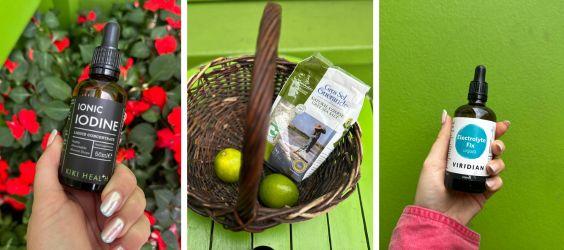
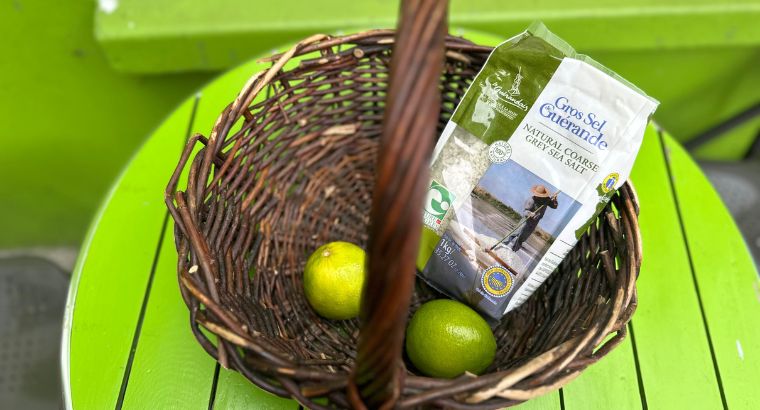
One simple way of making your drinking water more hydrating is to add electrolytes. You can make a DIY electrolyte mix using a good quality salt and some lime or lemon juice (see the recipe below) or you can buy a pre-made mix, or you can combine them both for the ultimate hydration drink.
The Mineral Boost That Makes Your Water Work Harder
There are many different forms of pre-made electrolytes available, but they often contain a lot of sugar or artificial sweeteners, so my preferred option is the Electrolyte Fix drops from Viridian.
Electrolyte Fix Drops contain all the electrolytes necessary for hydration in an ionic form, as well as all other minerals naturally present in sea water. Ionic refers to the mineral being ionically charged (attached to a negatively charged mineral complex). If the electrolytes are present in an ionic form, it’s very helpful for effective hydration, including:
Magnesium, for energy and muscle relaxation
Potassium, for heart rhythm and fluid balance
Sodium, to help absorption and nerve signals
Chloride, another key hydration mineral
Along with a host of other trace minerals, and zero sugars. A bottle lasts ages, and it’s a brilliant daily support, especially if you don’t eat a ton of fruit and veg or if you’ve cut back on salt.
Iodine – A Missing Link in Modern Life
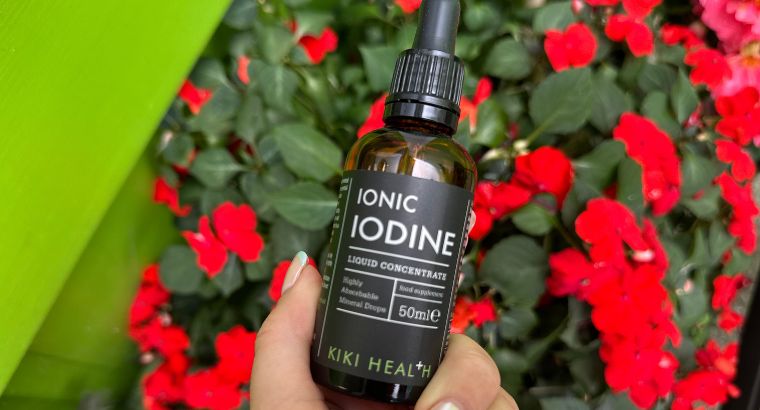
Another possible addition to your water is iodine – a trace mineral that doesn’t get nearly enough attention. It’s essential for your thyroid, which regulates your metabolism, energy, temperature, and even your mood.
In Ireland and the UK, we’ve seen a quiet return of mild iodine deficiency, especially in women of childbearing age, teens, and people who avoid dairy or seafood. Symptoms can include fatigue, foggy brain, cold hands and feet, or hormonal ups and downs.
To be confident you aren’t iodine deficient, you can add a couple of iodine drops to your water once a day. It’s simple, inexpensive, and a gentle way to support your thyroid and energy levels – but do make sure not to overdo it. Iodine is powerful stuff, and more is not always better.
Lime & Salt Hydration Drink - Makes 1 large glass (about 500ml)
“Pimping up your water” isn’t just another wellness trend – it’s a genuinely practical way to help your body get more from what you drink. A few drops of electrolytes, a splash of iodine, and a touch of salt or lime can make all the difference between just drinking water and actually hydrating.
Give it a go for a few weeks and see how you feel – since I started adding electrolytes to my water every morning, I feel clearer-headed, more energised, and more hydrated.
And if you want help getting started or figuring out the best options for you, pop into Organico – we’ve got everything you need to make your daily water that much more effective.
This entry was posted in News, Natural Remedies on 8th August 2025 by Hannah Dare
Win €100 Organico Gift Voucher
Subscribe to our newsletter to enter our monthly giveaway.
Giveaways run from June to November 2024. Unsubscribe any time. Terms and conditions apply.
Thank you for this.
I am severely allergic to citrus, including citric acid. How can I be sure there isn't any citrus in the Electrolyte Fix Drops? Do you have a full list of ingredients, please?
Thank you,
Florence
Hi Florence, so Viridian state that the ingredients are "comprised of a blend of naturally occurring brine from the Great Salt Lake containing sodium, magnesium, chloride and potassium". They are the four ingredients listed, but they do also state that the drops contain "a vast array of other trace and ultra trace elements". Our understanding is that there is no citric acid/citrus present, but we will double check with Viridian to give you peace of mind.
Hi Florence, we've had an update from Viridian confirming that the drops are free from citrus and any other allergens - here is their statement:
"Our clean down procedure in our ISO accredited manufacturing sites ensures no trace or risk of contamination between batch production by any of the 14 allergens listed by food law, including gluten, dairy and soy. This also includes allergens outside of the 14 allergens listed by food law including citrus."




I am severely allergic to citrus, including citric acid. How can I be sure there isn't any citrus in the Electrolyte Fix Drops? Do you have a full list of ingredients, please?
Thank you,
Florence
"Our clean down procedure in our ISO accredited manufacturing sites ensures no trace or risk of contamination between batch production by any of the 14 allergens listed by food law, including gluten, dairy and soy. This also includes allergens outside of the 14 allergens listed by food law including citrus."
Hope this helps!