Even though ads for chemical sunscreens are playing non-stop on the radio at the moment, you won’t find any at Organico. A few years ago we decided we’d only carry mineral sunscreens. We think they’re healthier and safer for these 5 reasons.
But first, mineral vs chemical - what’s the difference?
Basically, mineral sunscreens contain either zinc oxide or titanium dioxide as UV filters.
These ingredients sit on top of the skin and physically deflect the sun’s rays.
Chemical sunscreens are made from carbon-based compounds that penetrate the skin. They absorb UV rays into the skin, change the rays into heat, then release the heat from the skin.
There are lots of reasons to prefer mineral over chemical sunscreens. Here are 5 main ones…
1. Mineral sunscreens don’t cause long-term chemical exposure.
Some studies have shown that common ingredients in chemical sunscreens could act as endocrine disruptors. In other words, they could mess with your hormones.
Chemical sunscreens are also more likely to irritate sensitive skin and trigger skin allergies than mineral-based formulas.
In general, choosing a natural mineral sunscreen means you don’t have to slather on chemicals every day.
2. Mineral sunscreens don’t clog pores.
Chemical sunscreens absorb into the skin where they can clog pores and prevent sweating. Not nice for anyone with acne-prone skin.
Mineral sunscreens don’t sink into the pores. They sit on top of the skin.
Have you ever been at the beach and noticed a thin layer of white scum on the water’s surface?
That’s sunscreen. Washing off swimmers’ bodies and into the ocean.
That’s why it’s so important to choose a mineral sunscreen made with biodegradable ingredients.
For now, they’re the best option for protecting your skin and causing the least amount of harm to aquatic life and coral reefs.
4. Mineral sunscreens are naturally broad-spectrum.
So they offer strong protection against both UVA and UVB rays.
UVA rays can penetrate deep into the skin. Over time, they contribute to skin wrinkling and sagging by destroying collagen and elastin.
UVB rays can damage skin cells in the top layers of the skin. They cause immediately noticeable damage (aka sunburns).
Both types of rays can contribute to skin cancer. So no matter what sunscreen you use, you should be sure it’s labelled either ‘broad-spectrum’ or ‘full-spectrum’.
5. Our favourite mineral sunscreens weren’t part of that big sunscreen recall back in 2021.
Small amounts of benzene, a known carcinogen, were detected in several products.
It’s for reasons like this that we always choose natural brands that uphold the highest ethical and environmental standards.
But what about the downside of mineral sunscreen?
The chalky white cast it leaves on the skin - not a look anybody wants to sport.
Thankfully that’s not an issue with our favourite natural brands of mineral sunscreen.
These brands offer all the protection we love. None of the thick white look we don’t.
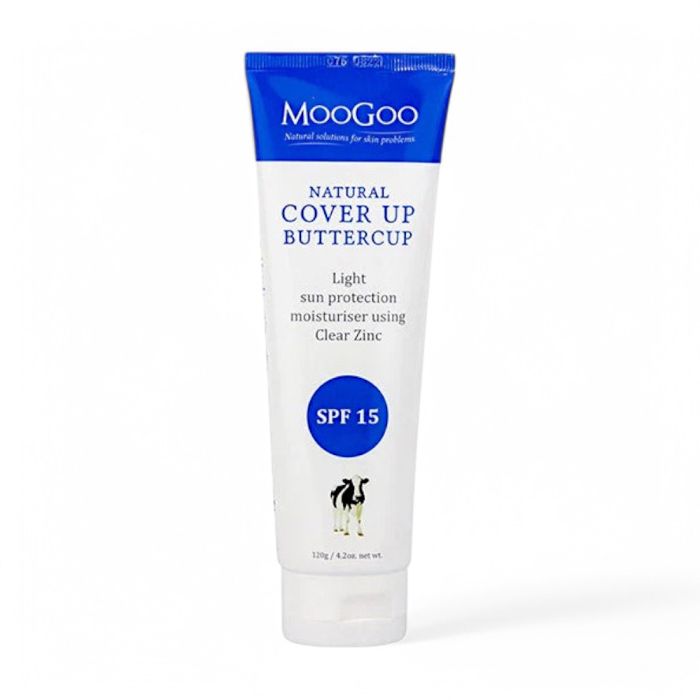
MooGoo Cover Up Buttercup Sun Protection Moisturiser SPF 15
The buttery-soft moisturiser from MooGoo is a firm favourite of ours. Why? It's actually a broad-spectrum SPF masquerading as an everyday moisturiser (and a mighty fine one, too).
Zinc oxide is the active ingredient, providing proper protection from harmful UV rays while being gentle enough to use on sensitive facial areas or kids' skin.
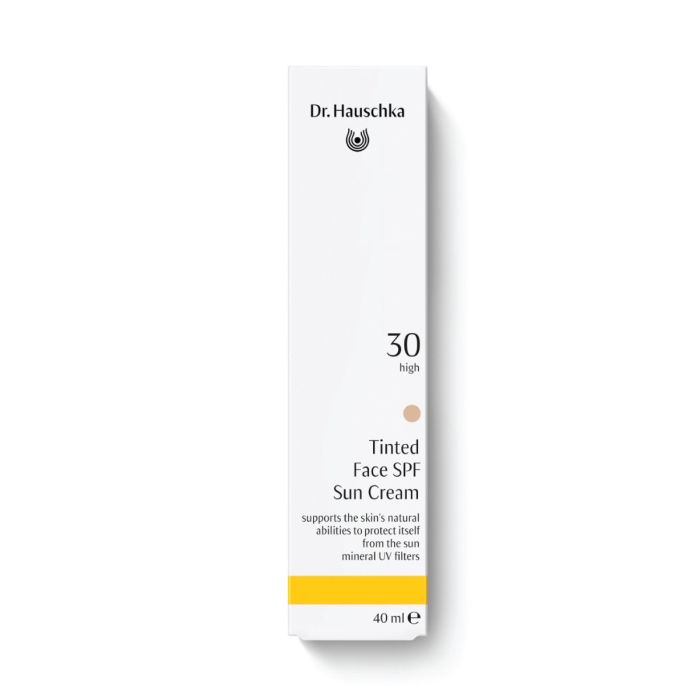
Dr Hauschka Tinted Face SPF 30 Sun Cream
Use it on its own or underneath makeup. Dr Hauschka’s tinted sun cream provides just the right amount of colour to give the face a sun-kissed glow.
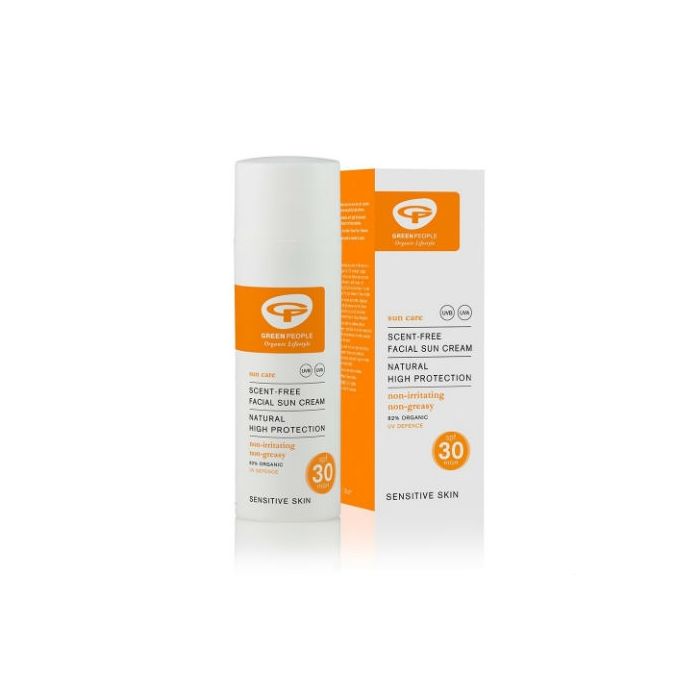
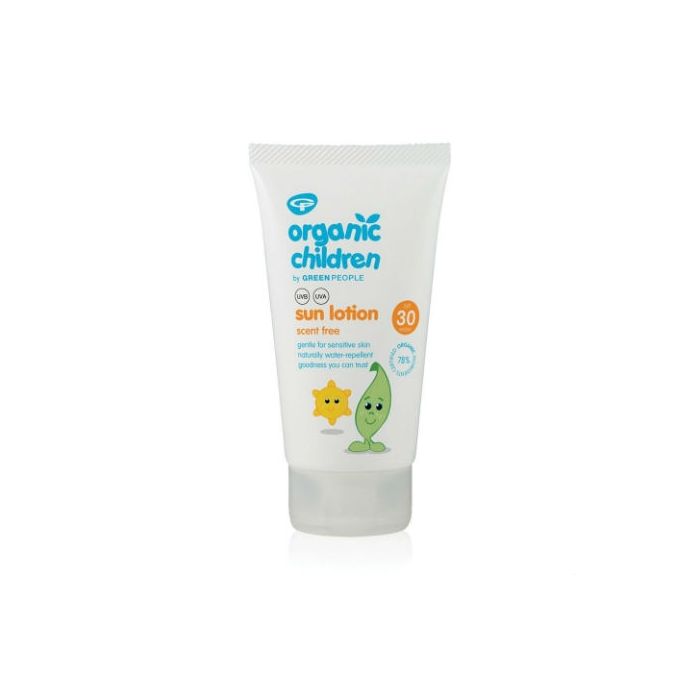
Green People Facial SPF 30 Sun Cream
Green People’s facial sun cream is a tint-free, scent-free option. Perfect if all you want is simple sun protection and antioxidant-rich ingredients that nourish the skin.
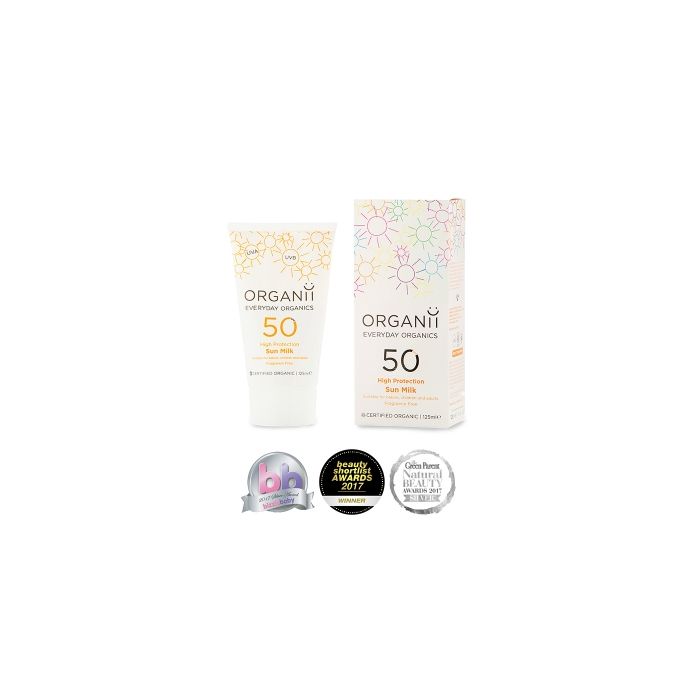
Organii Sun Milk SPF 50
Because it’s water resistant and offers high-factor protection, Organii’s Sun Milk is a great choice for a day at the beach. (As it’s a little heavier, it does require a vigorous rub to blend in.)








1 Comment