Ultra-Processed Foods (UPFs): What They Are and Why They Are a Health Problem
This entry was posted in Natural Health on 28th November 2024 by Hannah Dare
UPFs might sound like aliens spaceships, but it actually stands for Ultra Processed Foods.
What Are Ultra-Processed Foods?
These are foods that are as harmful as tobacco products and yet are heavily advertised to our children, are widely available in our schools and hospitals and are making up over 50% of the average diet in Ireland and the UK.
I have been researching the work of professor Chris van Tulleken and his 2023 book, Ultra Processed People, which explains "Why we eat stuff that isn’t food… and why we can’t stop.” His work focuses on the industrial food industry and its impact on human health.
While reading van Tulleken’s book, I find much of what he says familiar, often reminding me of things I know but sometimes ignore. I notice that when I occasionally eat meals containing Ultra Processed Foods, they have noticeable effects on my body and mood, and their addictive flavours and textures are evident.
Educating the Next Generation
However, my children seem unaware of these effects and enjoy Ultra Processed Foods, highlighting the need to combat the spread of these harmful foods in our shops and schools.
We must demand that governments and health authorities act to protect us and our children from what is a very serious threat to our health.
The Shift in Our Diets: A Historical Perspective
Professor van Tulleken argues, “In the last decade, poor diet has overtaken tobacco as the leading cause of early death for humans (and animals) on Earth.” This statement is worth reflecting on. "Poor diet" includes various factors, such as nutrient-poor industrial farming produce.
However, van Tulleken emphasises that since the 1950s, Western diets have shifted from homemade meals with fresh ingredients to factory-made processed foods with unrecognisable ingredients.
These foods, termed Ultra-Processed Foods by researchers, have become alarmingly common. A 2019 study found that in the UK, they make up over 57% of consumed food, reaching up to 80% in some poorer areas.
The Addictive Nature of Ultra-Processed Foods
Van Tulleken states, “We have entered a new 'age of eating' where most of our calories come from entirely novel substances called Ultra-Processed Food, designed and marketed to be addictive.” He stresses that these foods are not formulated to be healthy or even nourishing. Quite the opposite.
We’ve been hoodwinked by mass marketing campaigns into believing in the innate goodness of food companies. However, these companies have industrialised food production and are peddling harmful, addictive products made from cheap ingredients made ‘tasty’ with chemical additives and unnatural texture enhancers.
We have allowed profit-driven companies to determine our diets and unfortunately they do not have our best interests at heart.
There is nothing wrong with processed foods. Traditional food processing - cooking, preserving, fermenting - has been done for centuries, enabling food storage and creating the human race as we know it.
Identifying Ultra-Processed Foods
However, being able to identify ultra processed foods is important. The official definition of Ultra Processed Foods is lengthy, but a practical one is:
‘Wrapped in plastic, with at least one ingredient that you wouldn’t find in a home kitchen, such as hydrolyzed proteins, high-fructose corn syrup, modified oils, and artificial flavours’.
Common examples you will find on the shelves of most shops include most sweet fizzy drinks, artificially flavoured snacks, packaged ice creams, breads, cakes, biscuits, burgers, sausages, nuggets, pizzas, and pies.
While some natural alternatives exist, they are much harder to find in most shops than their unprocessed counterparts.
Health Risks Associated with UPFs
So, what damage do Ultra Processed Foods cause? Van Tulleken argues that they contribute to a “pandemic of diet-related disease,” including obesity and malnutrition.
Research shows that UPFs not only cause obesity but also diabetes, various cancers (especially colon, breast, and prostate), cardiovascular disease, high blood pressure, fatty liver disease, inflammatory bowel disease, anxiety, depression, frailty, IBS, dementia, and an overall increased risk of death by all causes.
The prevalence of these illnesses is alarming, especially considering that Ultra Processed Foods are marketed as ‘food’, widely accessible in schools and hospitals, and often easier to find in shops than real foods.
Effects of UPFs on the body
How do Ultra Processed Foods cause such damage? This is a complex question, fully addressed in van Tulleken’s book. In short, these foods are designed to make us overeat, containing flavour enhancers that entice us to eat more and textures that make them easy to consume quickly.
UPFs override our natural satiety signals, delivering calories faster than our bodies can indicate fullness. Van Tulleken explains, “Soft food that is quickly consumed is linked to obesity.”
Ultra Processed Foods also negatively affect our microbiome, which is crucial for our immune system, mental health, and overall well being. But the most significant harm, according to van Tulleken, is their high addictiveness, leading us to consume far more than necessary.
Finally, as we all know, exercise is an important part of a healthy lifestyle and has numerous benefits, physical and mental. But you can’t magically get rid of the ill-effects of UPF in the gym, just as you can’t cancel out binge-drinking by going for a run.
Practical Steps for Healthier Eating
So what practical steps can we take to limit the effects of these foods on our lives?
Read food labels. Do you recognise all the ingredients and do you think you would find them in a normal kitchen?
Stop drinking artificial fizzy drinks, even the “diet” versions.
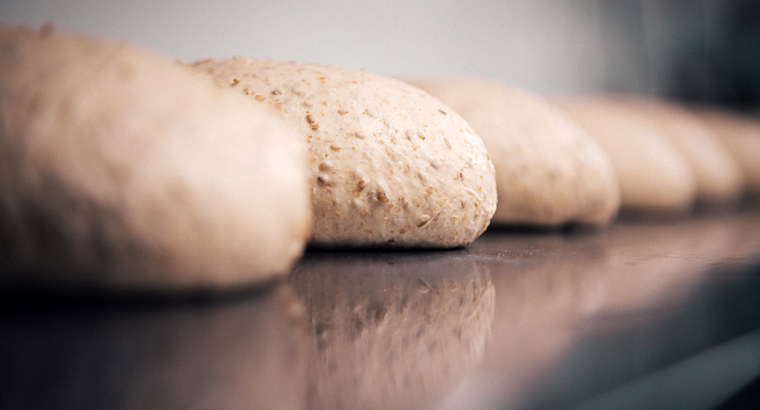
Try and make sure you only eat ‘Real Handmade Bread’.
Swap processed snacks like Pringles for nice Irish-made crisps like Keoghs, and cereal bars for fruit and nuts.
It’s hard, because we have become so accustomed to ultra processed foods that it can be a struggle to recognise them for what they are as they have seductively insinuated their way into our lives.
Conclusion: Towards a Healthier Future
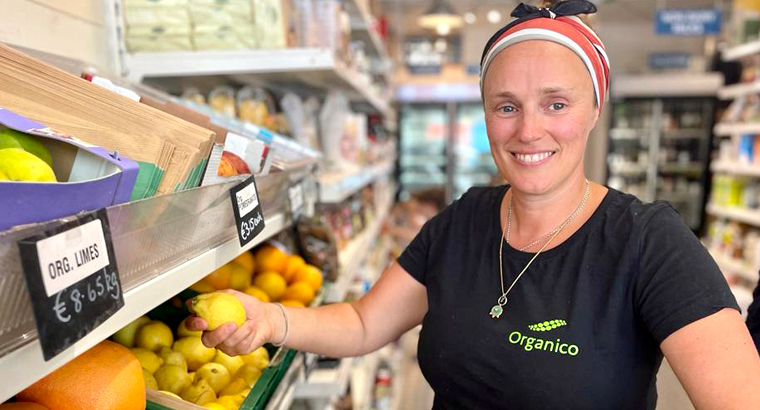
Since researching this article, I’ve become even more of a food-label fanatic than I was before. And I’m working my way around the shelves in Organico, stripping out salty snack foods and cereal bars that have snuck in over the years.
There’s also the huge convenience factor of ready-to-eat meals, which when you are feeding a family at the end of a busy week can’t be underestimated. But if we can make sure that rather than 80% Ultra Processed, we can feed our families with 80% Real Foods, we’ll be making a good start towards a healthier future.
Need advice? Why not call in?
If you’d like more information on natural health, diet and lifestyle, call in to us in Organico and we will help you make some positive changes. It’s never too late to start.
Or if you are not local to us, drop us an email on [email protected] and we will do our best to advise you.
Organico Shop, Deli and Bakery is open from 9am-6pm Monday to Saturday, and you can shop online with us on www.organico.ie anytime for delivery to all 32 counties.
This entry was posted in Natural Health on 28th November 2024 by Hannah Dare
Win €100 Organico Gift Voucher
Subscribe to our newsletter to enter our monthly giveaway.
Giveaways run from June to November 2024. Unsubscribe any time. Terms and conditions apply.