Bet you never thought of taking magnesium for all 10 of these health issues
This entry was posted in News, Natural Health on 26th May 2022 by Marci Cornett
Magnesium can help you improve a variety of ailments, everything from leg cramps to body odour. If you didn’t think a magnesium supplement was necessary before, you might think again after you see the many ways it can support your health…
When left to run rampant, excessive calcium triggers the nerves, causing them to become overactive. You feel this as uncomfortable muscle contractions and Restless Leg Syndrome (RLS).
But magnesium keeps calcium in check. In doing so, it helps ease overactive muscles and give you relief from RLS.
4. Magnesium can help soothe a stressed-out mind
With the world giving us so many reasons to be stressed, it’s likely we could all do with taking magnesium for this reason alone.
Along with all the other important roles magnesium plays, it’s also responsible for regulating the body’s stress receptors. It works by blocking overstimulating neurotransmitters and aiding the ones that help relieve stress.
So if you feel like you just can’t get yourself to relax, it’s time to check on your magnesium levels.
5. Magnesium can help you sleep better
If you tend to wake up earlier than you’d like, try adding magnesium to your supplement regime.
Not only does it help the brain and body relax, but it’s also thought to regulate melatonin, the neurotransmitter in charge of the sleep-wake cycle.
With the right amount of magnesium, you’re likely to stay asleep longer and enjoy a better quality of sleep.
It reduced ADHD symptoms including physical aggression, hyperactivity, instability, muscle rigidity, spasms, and twitching. It also helped these children by increasing their focus and improving their attention spans.
For these reasons, it’s advised that adults and children with ADHD keep up their magnesium levels through supplementation.
8. Magnesium can support healthy bones
When it comes to bone health, calcium gets most of the attention. What’s less talked about is that magnesium is just as important.
In fact, without magnesium, your body wouldn’t be able to efficiently use calcium.
According to American Bone Health “People with higher intakes of magnesium have a higher bone mineral density, which is important in reducing the risk of bone fractures and osteoporosis.”
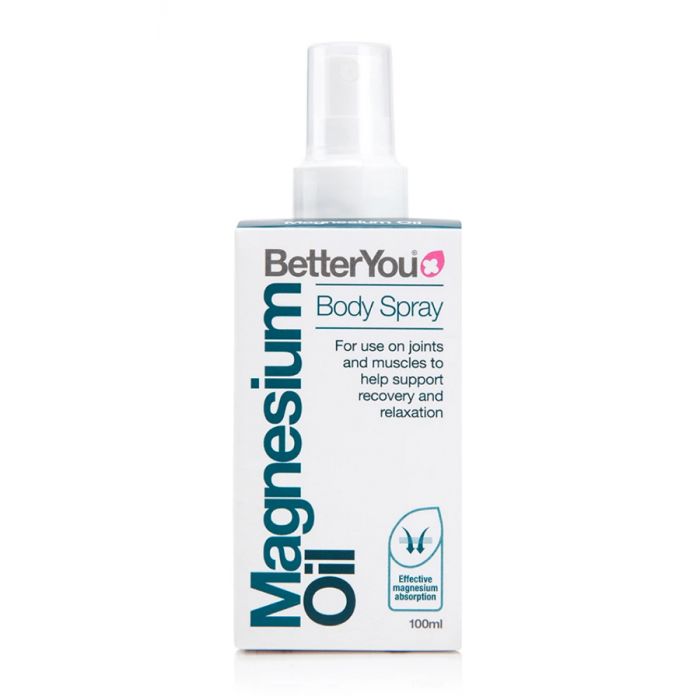
If you want to try out magnesium as a deodorant, go for a magnesium oil transdermal spray. Simply spray it on your armpits, let it dry, and go about your day.
Your body will absorb the magnesium through your skin so you'll still get all the benefits.
If magnesium supplements upset your stomach…
Occasionally, people experience upset stomach as a side effect of taking a magnesium supplement.
If this happens to you, try switching to a daily magnesium bath instead.
It’ll give you the added benefits of easing sore muscles and swollen joints. And thanks to its anti-inflammatory properties, a magnesium soak is especially effective for athletes and people with arthritis.
Plus, you’ll find it’s a lovely bedtime ritual that prepares you for a long, restful sleep.
A few more things about taking a magnesium supplement…
You can’t expect to get enough magnesium from a multi. Magnesium is a heavy, bulky mineral. So what’s added to a multi falls below the recommended daily allowance.
You also have to take magnesium consistently for it to continue to work.
We’ve known people who’ve taken it for Restless Leg Syndrome and stopped when their symptoms disappear… only for the RLS to return.
Got any questions about magnesium? Let us hear them! ([email protected])
This entry was posted in News, Natural Health on 26th May 2022 by Marci Cornett
Win €100 Organico Gift Voucher
Subscribe to our newsletter to enter our monthly giveaway.
Giveaways run from June to November 2024. Unsubscribe any time. Terms and conditions apply.
Very interesting. But I’m amazed one of the 10 wasn’t “preventing cramps”. I used to suffer a lot from cramps in my legs at night. It was years before I discovered taking magnesium every day seems to eliminate the problem completely. Such a relief!
I’m taking magnesium and enjoying its benefits but I’m never sure which one is best to take. Is there a list that explains which mag.supplement is best for which condition? Thanks dear girls!
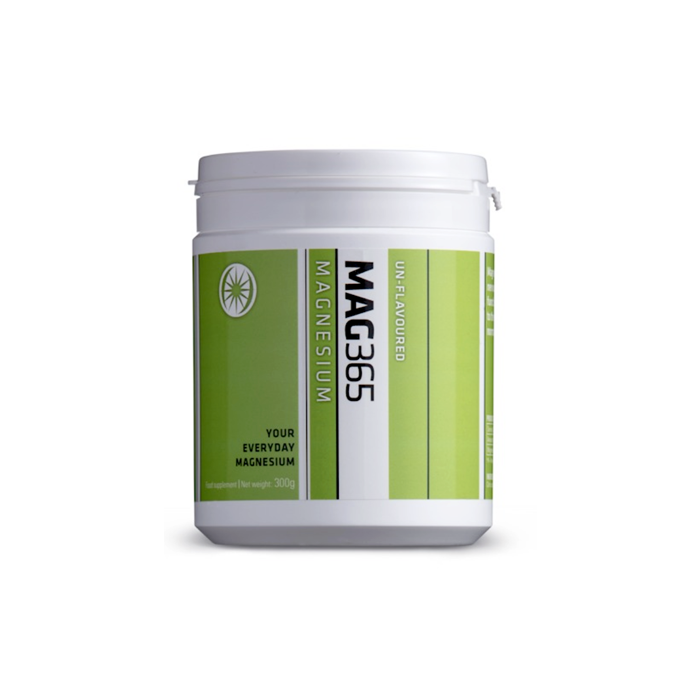
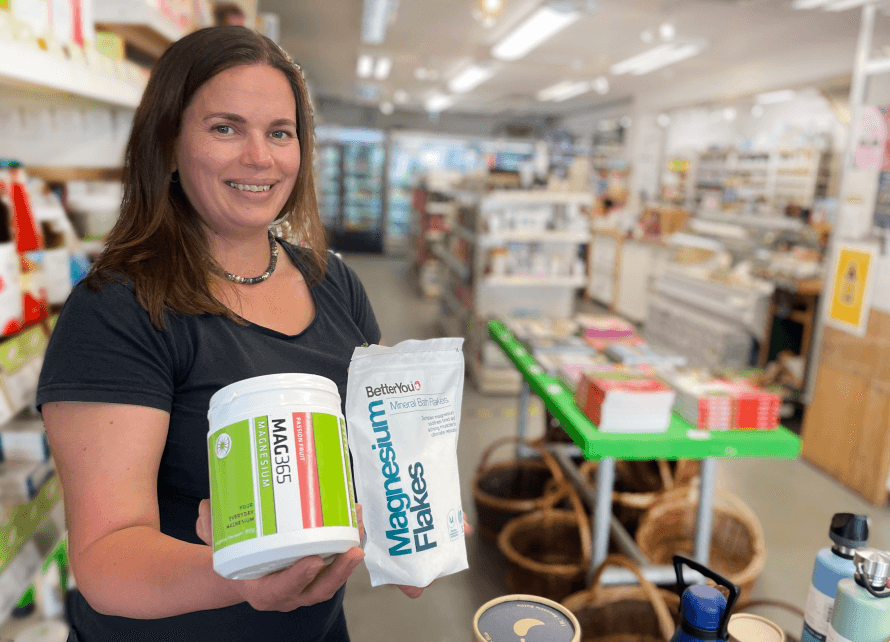
Probably whichever you find easiest to take! All forms should help restless legs as long as you get the dose right for your body. We like Mag 365 (the bone formula thought calcium is great for us women who might need the other nutrients). Also ITL Health have just brought out a citrate/bisglycinate combination... but seriously whichever fits with your routine is the best for you. Best wishes Hannah
I wonder if the Oriel supplements might be a good option, they are only a few drops, I would guess there wouldn't be any pressure from taking them. Worth a try anyway, as magnesium is s beneficial. Best wishes Hannah
Hi Carmel, generally magnesium is beneficial for your heart, however you can always double check with your GP or Pharmacist. Pharmacists are often very helpful as they have a database they can consult for all drug interactions. Warm wishes Hannah
We find Collagen brilliant for nail and hair growth - we've had some great feedback. It strengthens nails also! As for Magnesium, probably any type - we usually ask if you're more likely to take a capsule or a powder, as the best type is the one that will work with your routine...
So sorry to hear that Edna. I would consult a therapist for that situation - we have Gwen Bastien Enright here in Organico who works with women and hormones and can advise on diet - her email is [email protected] Warm regards Hannah
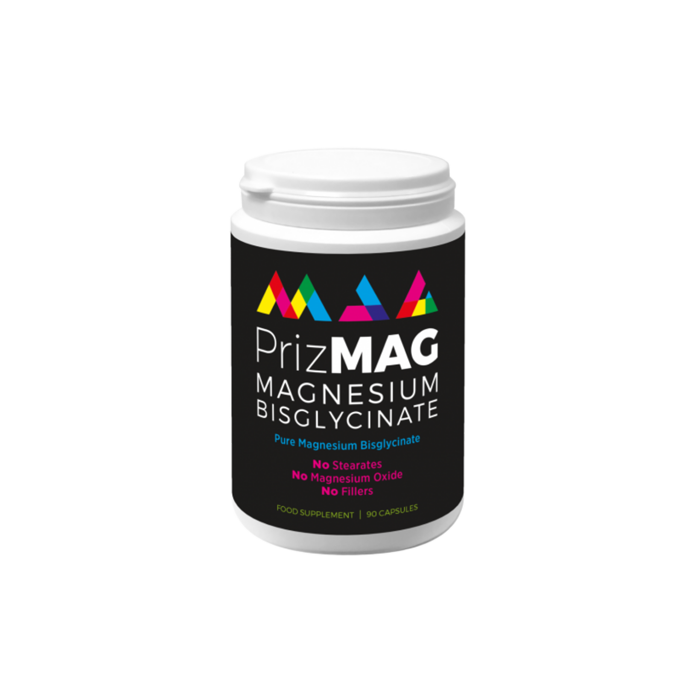
Hi Eileen, whichever one they will take really - but if you can influence it. probably the Bisglycinate. But also if taking a supplement is hard don't forget epsom salts and the topical gels also work. Best wishes Hannah




Thank you,
Mel